Chocolate Gift Delivery to the Dominican Republic

Los Angeles Times Review Title
New York Times Review Title

GUARANTEED EXPRESS DELIVERY THE DOMINICAN REPUBLIC
WITHIN 3 BUSINESS DAYS

Fast delivery by FedEx worldwide

Shipping Rates & Timing to the Dominican Republic

We deliver within 3 business days. The shipping cost is a flat fee of €20.00 per delivery address anywhere in the world + €1.50 /item. If your order is received before 2PM Central European time, your chocolates ship the same day directly from France to your doorstep.
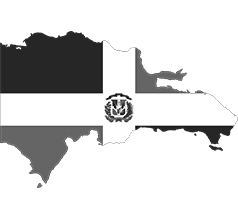
Chocolate delivery to the Dominican Republic

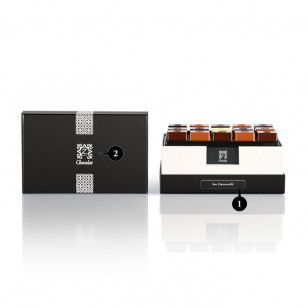
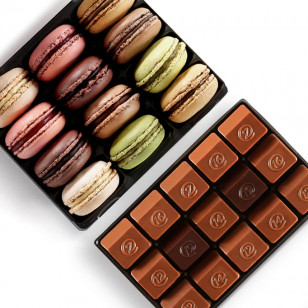
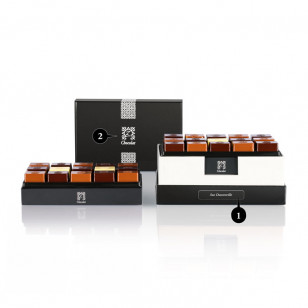
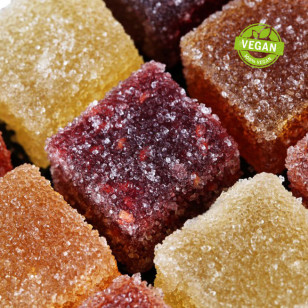
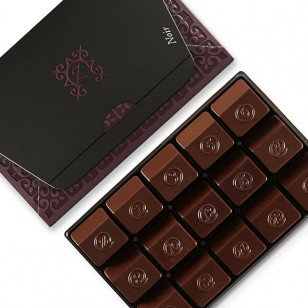
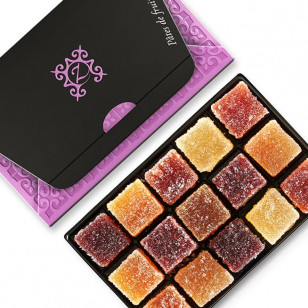
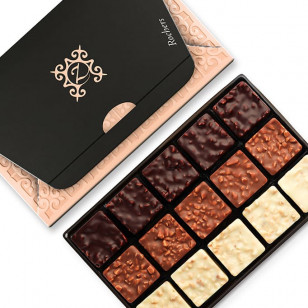
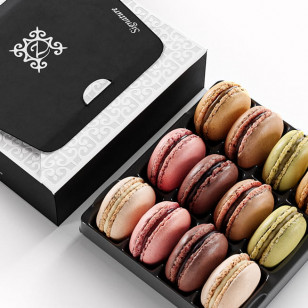
A selection of chocolate gifts ready for delivery in the Dominican Republic:
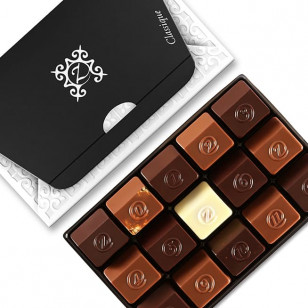
Fine Chocolate Delivery to the Dominican Republic

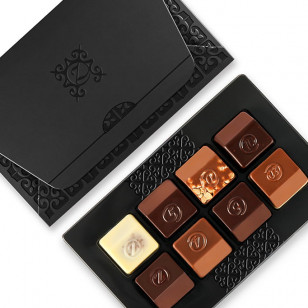
Indulge someone special with a selection of our finest chocolates crafted by Pascal Caffet, World Champion Chocolatier. We have been delivering to the Dominican Republic since November 1999. Whether you are shipping to Azua de Compostela, Bajos de Haina, Baní or any other city, your gifts will be delivered within 3 business days — on time and in perfect condition.

Gifts to the Dominican Republic

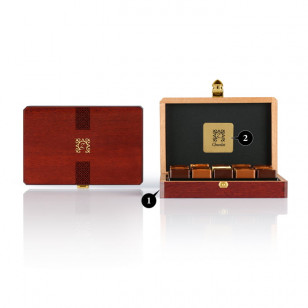
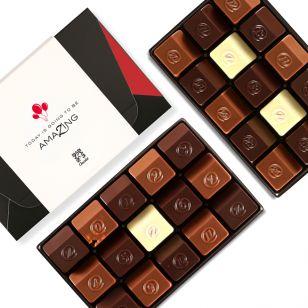
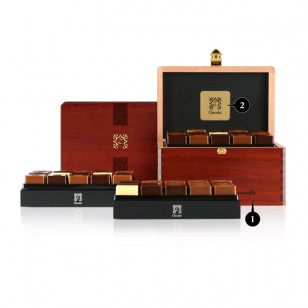
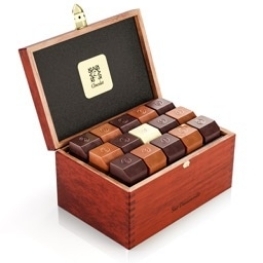
Whatever the occasion, we have a chic & exclusive customizable gift box.

Pascal Caffet

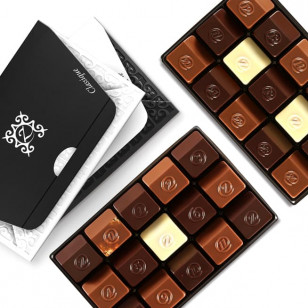
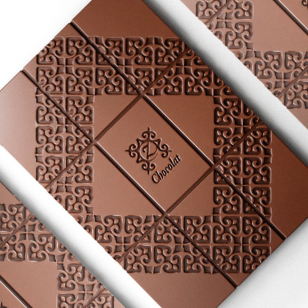
All our chocolates are handmade by our chocolate master Pascal Caffet, World Champion Chocolatier, with zealous adherence to French tradition: no alcohol, no preservatives, no coloring, high cocoa content, low sugar and 100% pure cocoa butter.

Summer Packaging

Thankfully, unique temperature sensitive packaging and FedEx Express delivery mean connoisseurs of zChocolat’s all-natural, preservative-free confections can enjoy fine French chocolate anywhere in the world. Insulated delivery boxes keep your gift at the perfect temperature while a reflective outer layer provides additional protection from world-famous rays in the Dominican Republic.

We do not deliver in the Dominican Republic on:

Weekends (Saturdays & Sundays) and the following holidays:

Other Worldwide Destinations

We also deliver chocolate gifts to Timor-Leste and Dominica .

Although known especially for its coconut groves and its lagoons of dream, the Dominican Republic reserves you other surprises. Its impressive relief, the beauty of its natural parks, but also the kindness of a people who are both sensual and concerned about appearances who love nothing so much as to wiggle to an air of merengue.

In the center of the Caribbean archipelago, the Dominican Republic shares with Haiti the island of Hispaniola of which it occupies, in the east, two thirds of the territory, that is 48.730 km2. The two countries, very different (the Dominican Republic knew how to limit, better than its neighbour, the dramatic effects of deforestation), are separated by a border of 388 km. The middle of the country is occupied by a central mountain range comprising three peaks of over 3,000 m2 including the Pico Duarte, at 3,175 m, a superb ascent but reserved for experienced walkers. Plains and hills extend to the east, Santo Domingo, the capital, being located on the south coast.

To the southwest, much more desert, Lake Enriquillo, 200 km2, is the largest of the West Indies. It is 40 m below sea level and is home not only to crocodiles but also to giant iguanas. Given its relief, the island shelters about twenty ecosystems, but it is the subtropical forest which dominates with, for star, the royal palm tree. Other common species are cashew, jaguar palm and mahogany. On the coast, the mangrove, this amphibious forest, seems to advance on the sea thanks to the aerial roots of its red mangroves.

Nevertheless, the 1,500 km of coastline shelter dream beaches. If you want white sand, palm trees and emerald sea, then jump on a flight to the Dominican Republic.

You won't be disappointed. On the Atlantic coast to the north, Playa Rincon is ranked among the ten most beautiful beaches in the world and surfers come from all four corners to surf in Cabarete from May to June. If you are bored with perfect postcards, the beaches of the Caribbean Sea to the south offer a wilder look. At the extreme southwest, near the border with Haiti, the Bahia Las Aguilas, whose red cliffs collapse into the turquoise sea, is a pure jewel. More tourist, the 50 km of white sand of Punta Cana, in the east, are another high place of the fan toes. Who knows if you won't meet a manatee in the water, this harmless sea cow weighing up to 600 kilos that particularly likes these shores? In any case, scuba diving will allow you to visit wrecks (on the north coast) or to admire reefs (on the south coast).

On the courtyard side, the Dominican Republic also reserves treasures, such as its two large parks in the central cordillera (the Parque Nacional Armando Bermúdez and the Parque Nacional José del Carmen Ramírez) which cover 1,500 km2. A privileged place for hiking, canyoning and rafting.

In the Dominican Republic, the tropical climate, tempered by the trade winds, guarantees an average temperature of 30°C during the day and 20°C at night, the water being between 26 and 28°C. Two rainy seasons, in May-June and October-November, mark the calendar, so that the best season to visit the island goes from December to the end of April. Hurricanes are more likely to occur between September and November, but are the subject of excellent forecasting and do not represent a real danger, especially for those living in solid constructions. The only risk is to get stuck for a few days.

The Dominicans love the festival so much that they celebrate not one but two carnivals a year, the first at the end of February and the second on August 15. Not to mention, of course, the two merengue festivals, the most frenzied of which is held in late July and early August in Santo Domingo and brings together the best musicians of the genre. To get there and visit this region, the best way is to rent a car in Dominican Republic.

Art and culture in the Dominican Republic
Merengue versus bachata, his two musics share the heart of the Dominicans who, in a debauchery of decibels, make reckless use of them. Of African origin, the fast-paced merengue has evolved into a variant of Cuban salsa, sometimes with hints of West Indian zouk. Johny Ventura gave him his letters of nobility. The bachata, slower, less rhythmic, more romantic, lends itself more to languorous embraces. It's the local equivalent of country music. For the rest, the Spanish culture dominates, but you will be astonished by the extreme care that the Dominicans bring to their clothing (the dishevelled shirt is not appropriate) and to the rules of good manners.

What to visit in the Dominican Republic
Santo Domingo, the capital, is a sumptuous city and retains, despite its 3 million inhabitants, a colonial charm that will bewitch you.
Loading...
Back to top