
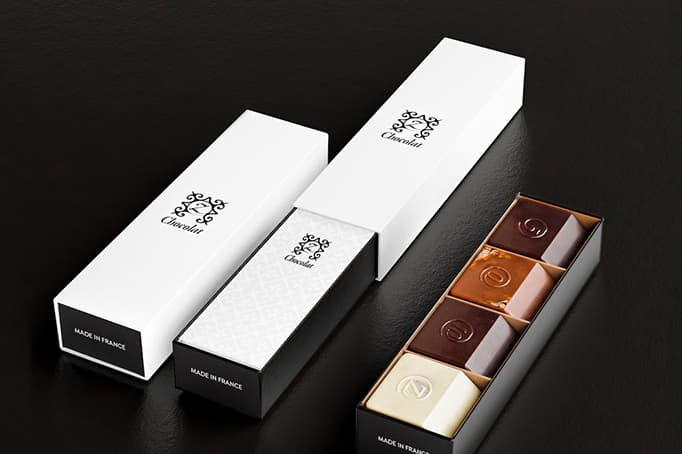
Chocolate Gift Delivery to Libya

Los Angeles Times Review Title
New York Times Review Title

GUARANTEED EXPRESS DELIVERY LIBYA
WITHIN 5 BUSINESS DAYS

Fast delivery by FedEx worldwide

Shipping Rates & Timing to Libya

We deliver within 5 business days. The shipping cost is a flat fee of €20.00 per delivery address anywhere in the world + €1.50 /item. If your order is received before 2PM Central European time, your chocolates ship the same day directly from France to your doorstep.
Chocolate delivery to Libya

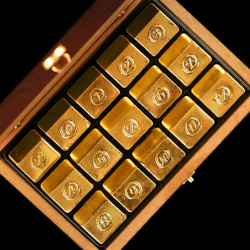
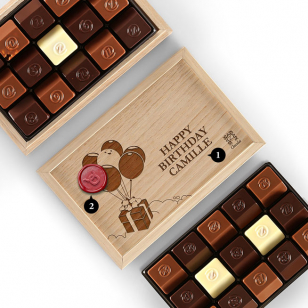
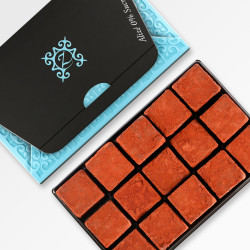
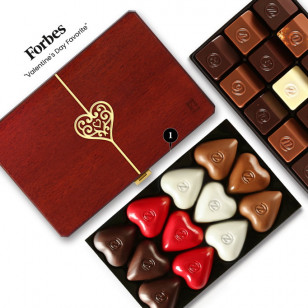
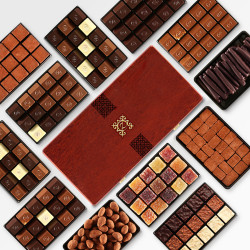
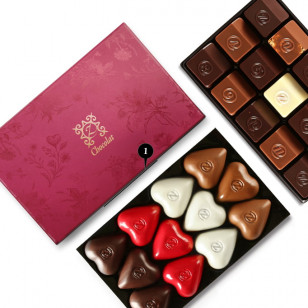
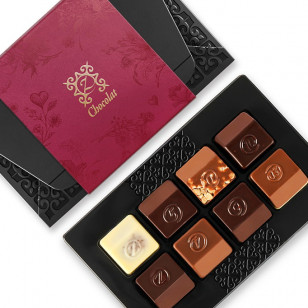
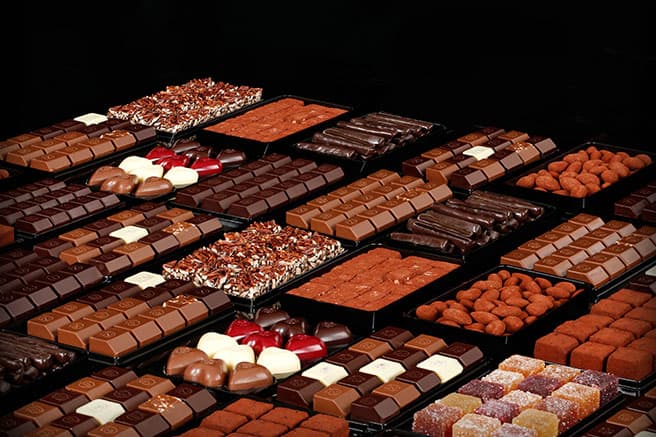
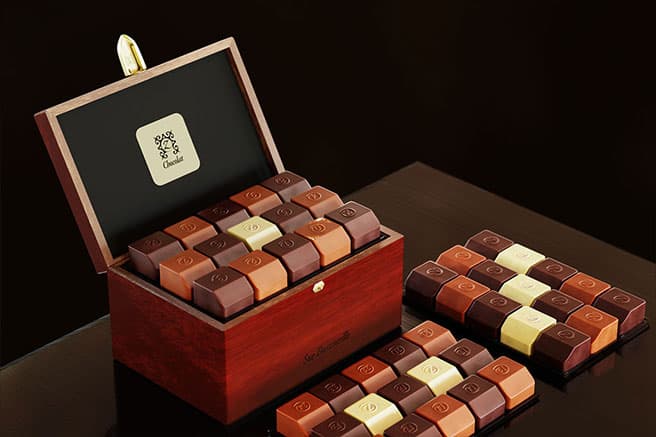
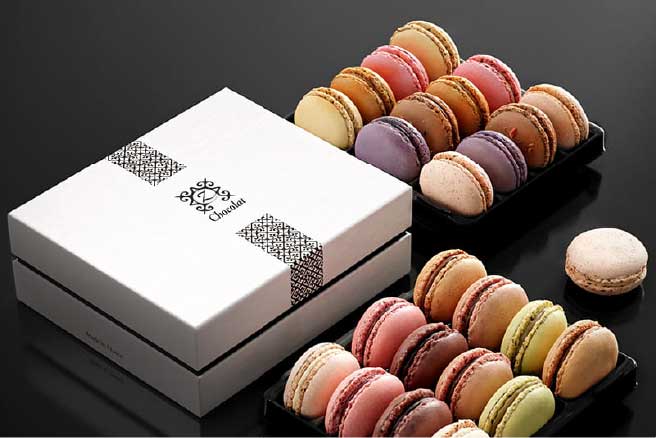
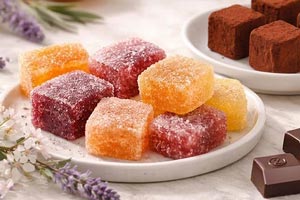
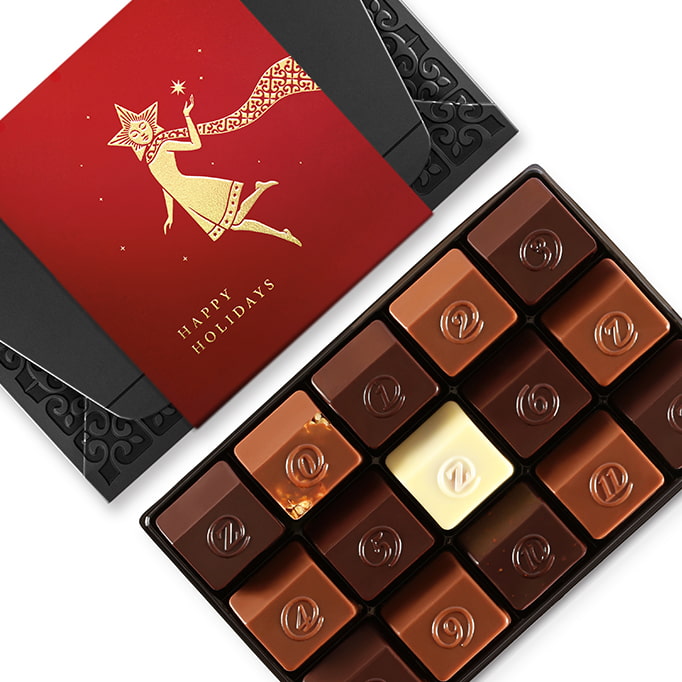
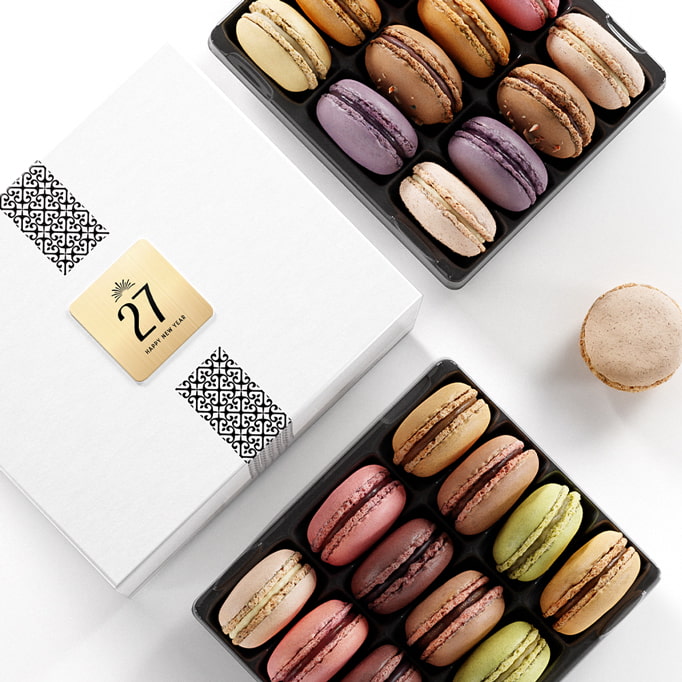
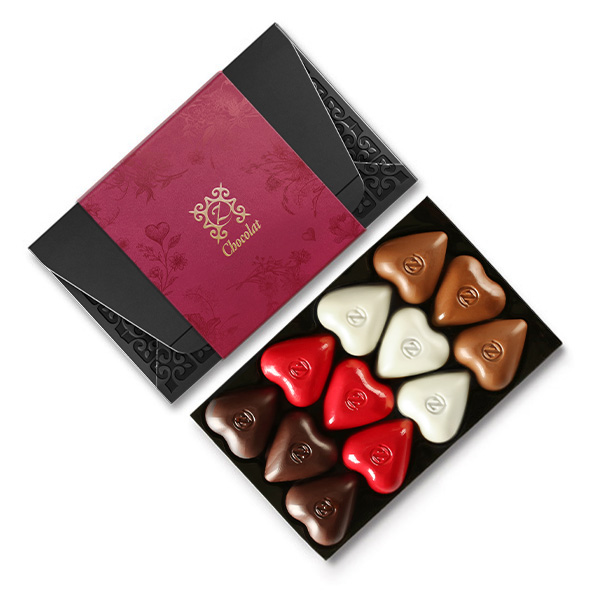
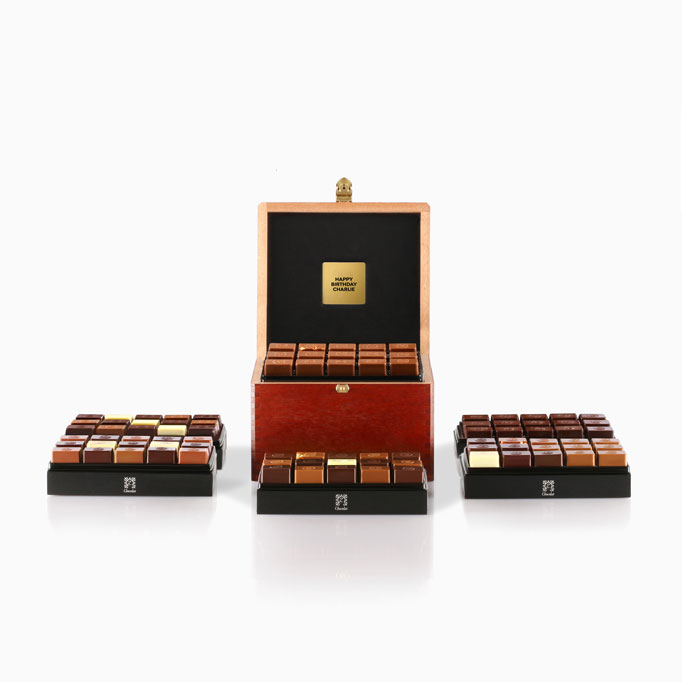
A selection of chocolate gifts ready for delivery in Libya:
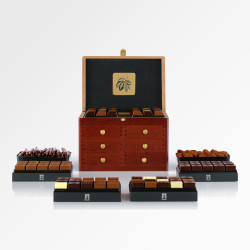
Fine Chocolate Delivery to Libya

Indulge someone special with a selection of our finest chocolates crafted by Pascal Caffet, World Champion Chocolatier. We have been delivering to Libya since November 1999. Whether you are shipping to Tarabulus, Banghazi or any other city, your gifts will be delivered within 5 business days — on time and in perfect condition.

Gifts to Libya

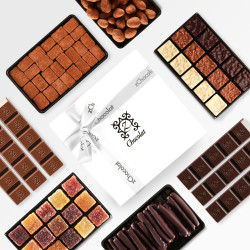
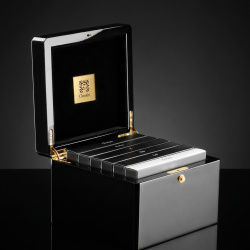
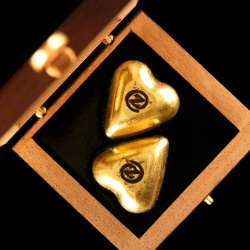
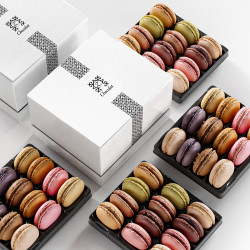
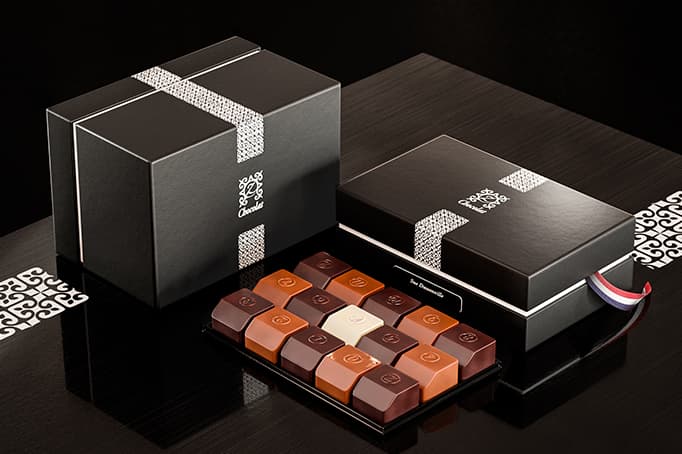
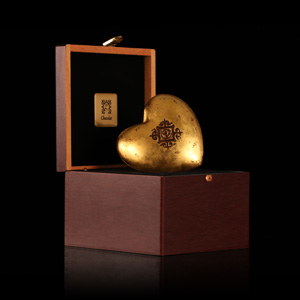
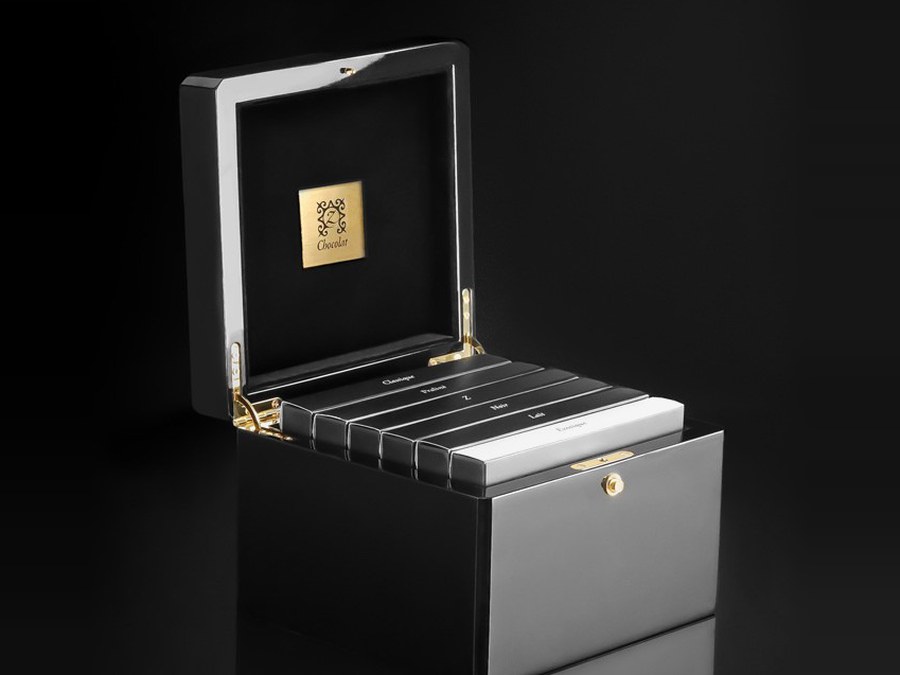
Whatever the occasion, we have a chic & exclusive customizable gift box.
Pascal Caffet

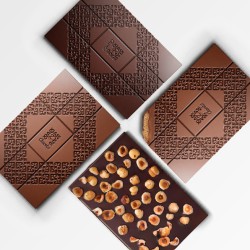
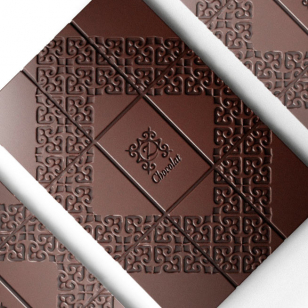
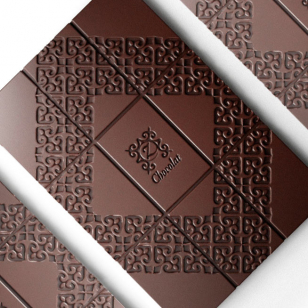
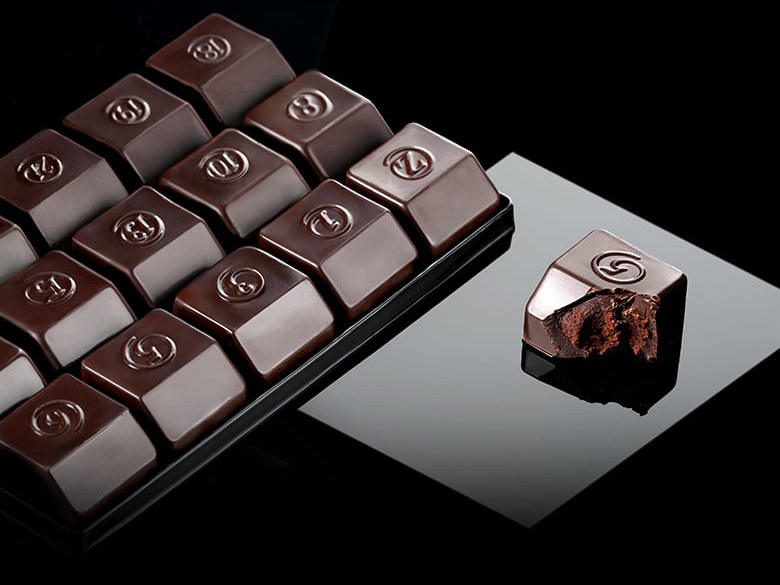
All our chocolates are handmade by our chocolate master Pascal Caffet, World Champion Chocolatier, with zealous adherence to French tradition: no alcohol, no preservatives, no coloring, high cocoa content, low sugar and 100% pure cocoa butter.

Summer Packaging

Thankfully, unique temperature sensitive packaging and FedEx Express delivery mean connoisseurs of zChocolat’s all-natural, preservative-free confections can enjoy fine French chocolate anywhere in the world. Insulated delivery boxes keep your gift at the perfect temperature while a reflective outer layer provides additional protection from world-famous rays in Libya.

We do not deliver in Libya on:

Weekends (Saturdays & Sundays) and the following holidays:

  • 2026-02-17 Libyan Revolution Day
  • 2026-03-19 Victory Day
  • 2026-03-20 Eid Al-Fitr (Tentative)
  • 2026-03-21 Eid Al-Fitr Holiday (Day 2)
  • 2026-03-22 Eid Al-Fitr Holiday (Day 3)
  • 2026-05-01 May Day
  • 2026-05-26 Day Of Arafah (Tentative)
  • 2026-05-27 Eid Al-Adha (Tentative)
  • 2026-05-28 Eid Al-Adha Holiday (Day 2)
  • 2026-05-29 Eid Al-Adha Holiday (Day 3)
  • 2026-06-17 Islamic New Year (Muharram, Tentative)
  • 2026-08-26 The Prophet’S Birthday (Tentative)
  • 2026-09-16 Martyrs’ Day
  • 2026-10-23 Liberation Day
  • 2026-12-24 Independence Day

Other Worldwide Destinations

We also deliver chocolate gifts to Liechtenstein and Liberia .
Between large Saharan expanse and Greco-Roman archaeological sites: Libya is a country with multiple facets.

Libya, officially the Great Socialist People's Libyan Arab Jamahiriya, is the fourth largest oil-producing country in Africa, at the crossroads between the Maghreb and the East. On the edge of the Mediterranean, Libya is above all a desert country. The Sahara, in its most arid part, covers 9/10th of its territory. A Sahara with many facets that presents both large expanses of sandy dunes (ergs) but also rocky plateaus (hamadas). In the south of the country, the erg Mourzouk, is of an immense aridity, without well, neither springs, nor oasis. No water either in erg Oubari, in the heart of Fezzan, in the southwest of the country. However, this erg shelters a string of salt lakes, surrounded by palm trees and high dunes. The main ones are the lakes El Mafou, Gabraoun, Manadra (dry and where only large plates of salt remain) and undoubtedly the most beautiful of them, the lake Oum El Ma, narrow stretch of water with the hollow of carved dunes and where come to be reflected the palm trees which border it. The Akakus massif extends in the hamada El Hamra (red plateaus in Arabic), in the west of the country. A region characterized by its rocky heritage. There are indeed beautiful paintings dating from the Neolithic, which have earned the massif to be classified as World Heritage. Just like the old town of Ghadames. With its labyrinth of covered alleys and its houses made of earth and whitewashed with lime, the one we call "the pearl of the desert" is an obligatory passage of any trip in Libya.
Ghadames is located 650 km southeast of Tripoli, capital of Libya, on the Mediterranean coast. It is a completely different face that the country offers on its maritime band. A region that is Mediterranean both in its landscapes and its heritage. Three important ancient sites bear witness to the Greco-Roman presence in Africa: Leptis Magna on the tripolitan coast, Ptolemais and the Cyrene site. On the northeast coast, the green djebel Akhdar looks like a small piece of Crete. The best periods to stay in Libya are from mid-October to mid-December, during the date season, and from mid-February to the end of March, when the spring flowers bloom. The temperatures are then milder in this desert country. Between April and September, mercury regularly reaches 38°C. During the winter, the nights are particularly cold. It is better to avoid the end of spring (from May to the end of June) and the beginning of autumn: imposing sand winds prevent any outside activity. Suspected of being at the origin of the Lockerbie attacks (against a Pan-Am boeing) in December 1988 then that of the DC 10 of the French company UTA over Niger in September 1989, attacks which made them both 440 dead, Libya was placed under international embargo from 1992 to 2004. Isolation and conflicting relations between Gaddafi, its leader, and the international who has kept tourists away from the country. With the embargo lifted, Libya experienced in the spring of 2011 and in line with the protest movements in Arab countries, a violent revolt that led to the military intervention of a Franco-British-American coalition. A stay in Libya must therefore be approached with the utmost caution. At the crossroads of the great caravan routes, Libya is first and foremost an immense desert strewn with oases and salt lakes, red and black rocks licked by gold and ochre sand, Neolithic rock paintings... But it is also a Mediterranean country with an archaeological heritage of great importance, between Roman theatre and other Greek cities. Hidden behind the escapades of its president and difficult international relations, Libya remains a little-known destination.

"For those who would not have been put off by the heat, visits to the Libyan desert in the middle of summer are impossible. All tourism agencies that could offer méharées are indeed closed in July and August and reopen their doors only in September.

Art and culture in Libya
Libyan culture presents all the influences of the various invasions lived throughout its history (Romans, Arabs, Turks, Italians...), associated with a Berber and African heritage. Folk culture is still alive with troupes of musicians and dancers performing regularly in festivals in Libya and outside the country. A culture promoted by Libyan television that broadcasts traditional Libyan music. Tuareg folklore is very popular in Ghadames and in the south of the country. Between Camellian parades, sword fights, jewellery and leather sales, the Ghat festival is an opportunity to see its richness.

What to visit in Libya
A méharée in the desert is necessary to leave in the tracks of the nomadic tribes in the region of Fezzan, contemplate the salt lakes of erg Oubari, visit the "pearl of the desert" Ghadames and admire the rock paintings of the Akakus massif. For a more cultural discovery, do not miss the ancient sites of Sabratha (Roman theatre), Leptis Magna (ancient Phoenician port) and Cyrene (Greek theatre and temple of Zeus among others). The capital Tripoli is also worth a visit for its old town on its islet, its Italian colonial quarter and the new town with its large buildings.
Loading...
Back to top