



International delivery · Japan
Chocolate Gift Delivery to Japan
From our workshop in Provence to your recipient in Japan.
Choose a giftzChocolat ships Pascal Caffet's French chocolates from Provence to any address in Japan by FedEx Express. Estimated transit: 2 business days after dispatch. Shipping is €20.00 per address + €4.50 per item; customs duties are prepaid at checkout (5% of the gifts' value): nothing to pay on delivery.
Updated 16 October 2026 · over 6,800 deliveries to Japan since 2000
Ready to ship to Japan
Gifts for Japan
x2we double the amount of chocolates in the marked gifts.
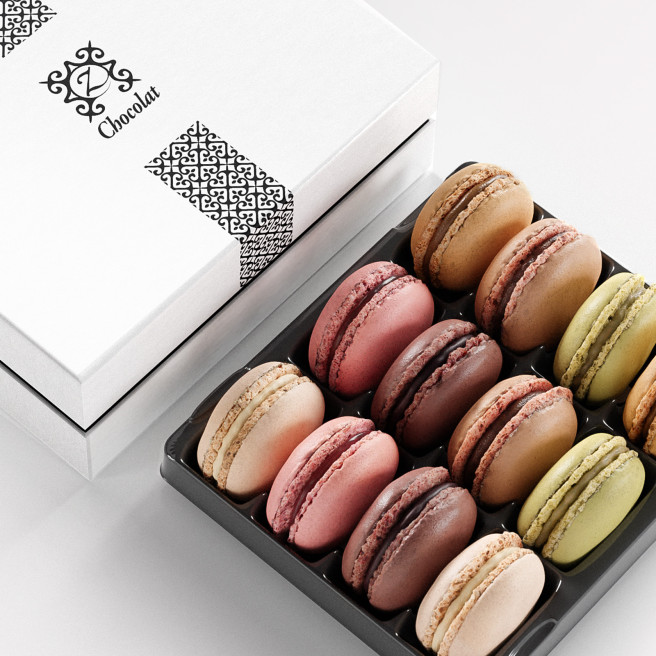
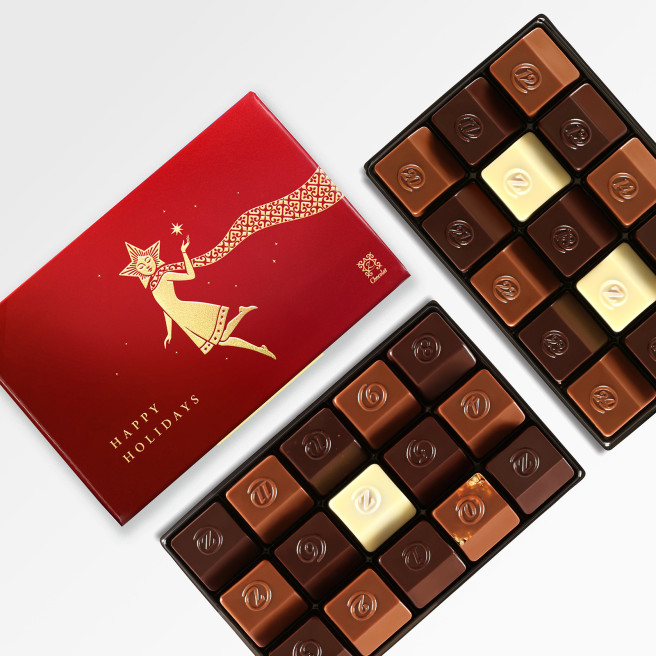
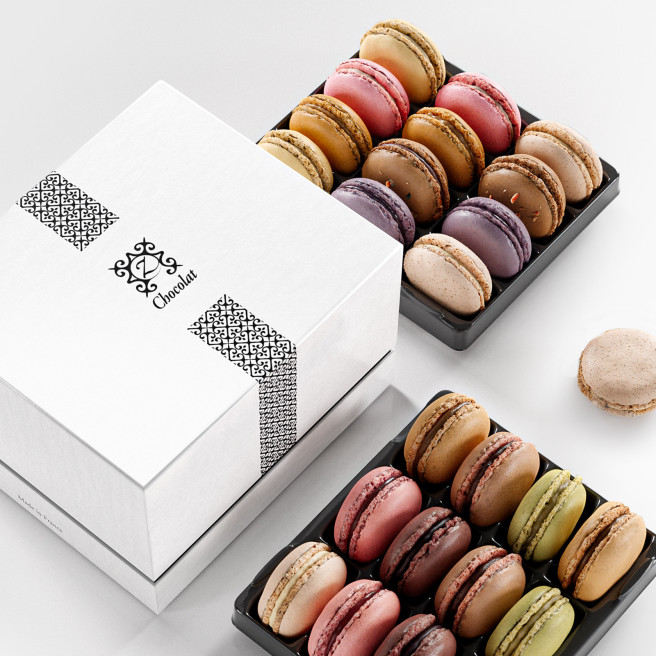
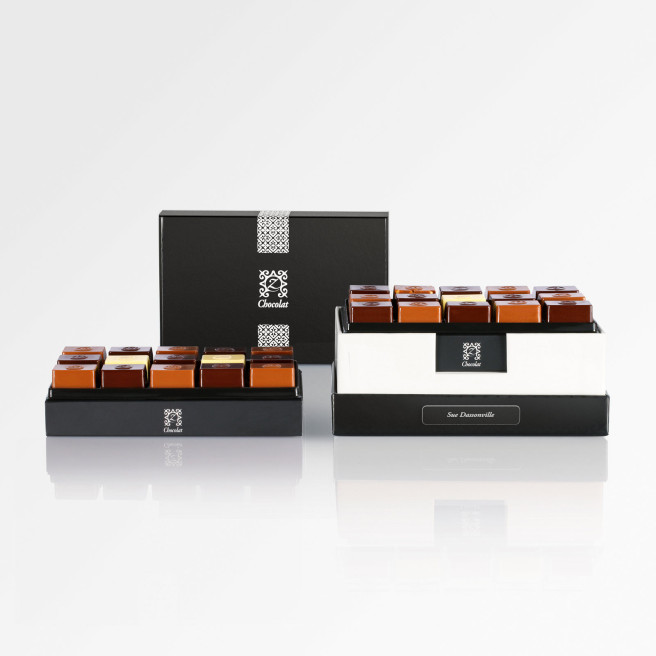
Delivery to Japan at a glance
Everything you need to know
* Paris time, Monday to Friday. No deliveries on weekends or local public holidays.
What it costs, delivered
One price, nothing to pay on arrival.
Delivery to Japan is a flat €20.00 per address, plus €4.50 per item, fuel surcharge included.
Sending to several people? The €20.00 applies once per address; each gift then adds €4.50.
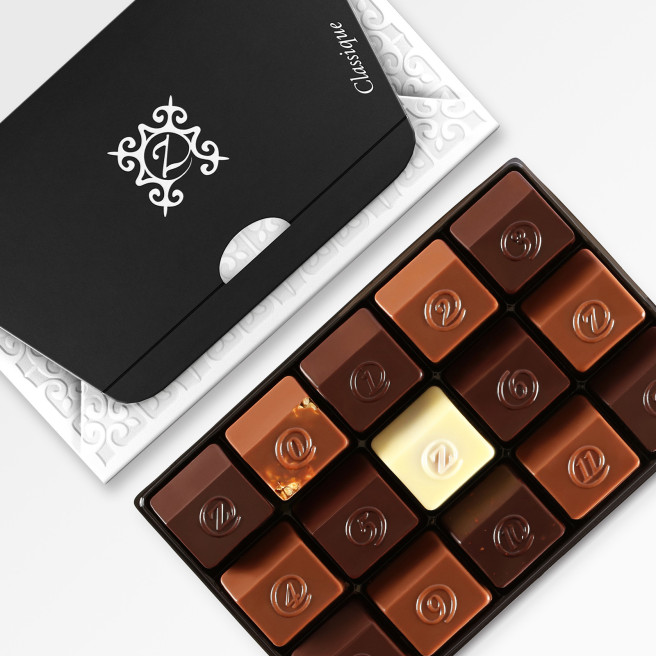
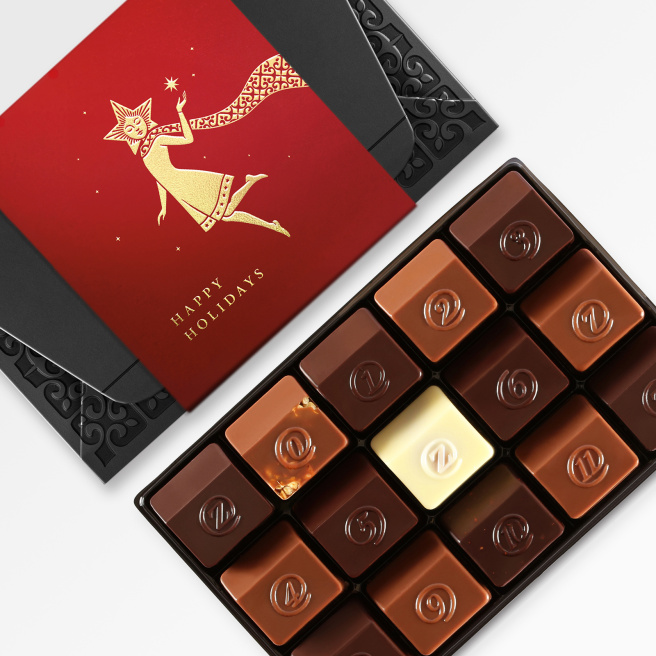
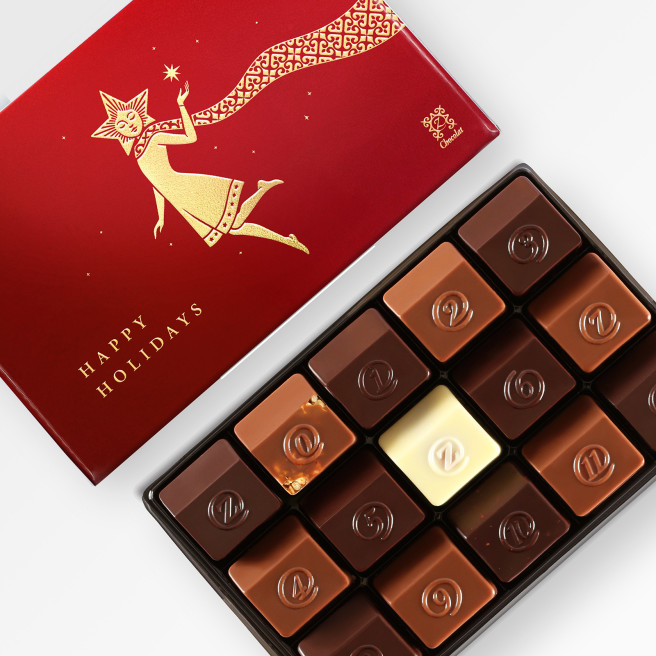
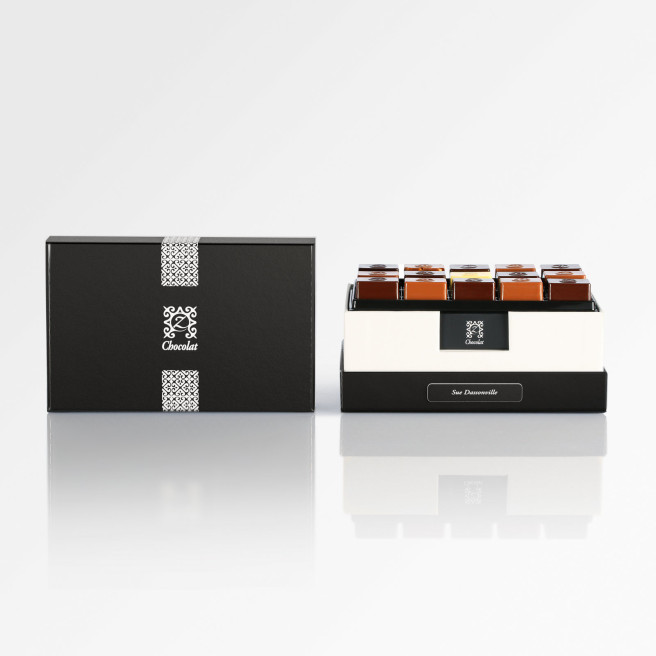
Example for one gift box to one address in Japan. The final price, including any applicable taxes, is confirmed at checkout.
Hot weather
Kept cool on the way.
Whenever the weather requires it, your gift travels in insulated packaging with cooling packs, at no extra cost.
How we shipPersonalization, with style
A gift, to the letter.
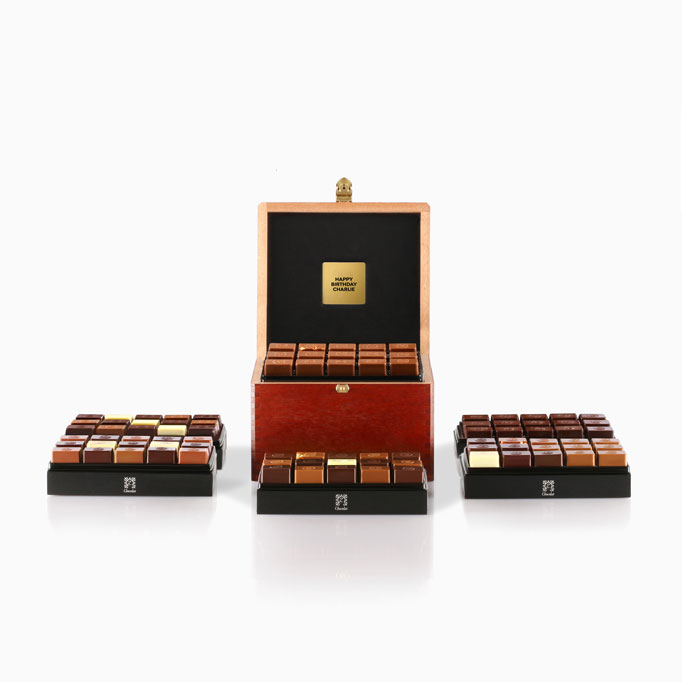
Add a message for your recipient, engrave a name on a wooden box, seal it with their initials.





Pascal Caffet
World Champion Chocolatier
Z chocolates are made by Pascal Caffet, Meilleur Ouvrier de France and World Champion Chocolatier, in the French tradition.
0 preservatives, 0 coloring, 0 alcohol, 0 palm oil, 0 GMO & 0 artificial flavors.
Questions
Sending chocolate to Japan
How long does chocolate delivery to Japan take?
FedEx Express transit to Japan is estimated at 2 business days after dispatch. Orders placed before 2 PM Paris time on a weekday are dispatched the same day; there are no deliveries on weekends or local public holidays. Next public holiday: 3 November 2026 (Culture Day).
How much does it cost to ship chocolate to Japan?
€20.00 per delivery address plus €4.50 per item, fuel surcharge included. For example, the Traditional box (€57.99) costs €85.39 delivered; the final price is confirmed at checkout.
Will the recipient pay customs duties in Japan?
No: customs duties are prepaid at checkout (5% of the gifts' value): nothing to pay on delivery.
Do you deliver to every city in Japan?
Yes, at the same shipping price. Delivery to some remote addresses, such as smaller islands, can take longer.
Will the chocolates melt in hot weather?
Whenever the weather requires it, the gift travels in insulated packaging with cooling packs, at no extra cost.
Can I add a message or a name on the box?
Yes. You can add a message card, and many boxes can be personalized with an engraving, an image or a medallion.
Cities
We deliver to every city in Japan
Chiba · Fukuoka · Funabashi · Hachiōji · Hamamatsu · Higashiōsaka · Himeji · Hiroshima · Kagoshima · Kawaguchi · Kawasaki · Kitakyūshū · Kobe · Kumamoto · Kyoto · Matsudo · Matsuyama · Nagoya · Niigata · Okayama · Osaka · Sagamihara · Saitama · Sakai · Sapporo · Sendai · Shizuoka · Tokyo · Utsunomiya · Yokohama
Discover Japan
Art and culture in Japan
Japanese culture has evolved a lot since its origins. Contemporary culture combines influences from Asia, Europe and North America. Traditional Japanese arts include crafts such as ceramics, textiles, swords and dolls; performances of bunraku, kabuki, nô, dance and rakugo, and other practices, such as tea ceremony, ikebana, martial arts, calligraphy, origami, onsen and geishas. In the country there are fourteen sites inscribed on UNESCO's World Heritage List.What to visit in Japan
Temples are places of worship in the Japanese Buddhist religion. Virtually every municipality in Japan has at least one temple. The large municipalities have large cultural centres like Kyoto where several thousand temples cohabit. Sensoji temple is the most revered Buddhist temple in Tokyo; pilgrims have flocked to it for over a thousand years. It is mandatory to visit at least one of the traditional Japanese landscape gardens. They can be classified into three types, Tsukiyama gardens (hill gardens), Karesansui gardens (dry gardens) and Chaniwa gardens (tea gardens). Another exciting and typically Japanese experience is to go to sumo fights (the most popular sport in the country!) If you stay several weeks to visit the country, do not hesitate to rent a car in Japan for more freedom.A brief overview of the most famous places
- Tokyo is the largest city in the world with its electric, hectic, sparkling and crazy urban universe.
- Kyoto, is the ancient imperial capital, the city of Arts, geishas, tea and Ikebana (the art of floral composition).
- Nara, is the artistic and religious cradle.
- Nikko is perched in his mountains
- Kamakura is by the sea, a charming small coastal town that can be visited in one day from Tokyo, or combined with the nearby Enoshima Island.
- Hakone is the gateway to Mount Fuji!
Tokyo, the gigantic
Science fiction setting that fascinates and can intimidate the first time, it's a city that covers more than 600km2 (6x Paris!). So be curious, be patient and visit it neighborhood by neighborhood.Here are some suggestions:
- Marunouchi district: both Tokyo's business district and a showcase for luxury shopping. Visit the Tsukiji Fish Market to the south: it is the largest fish market in the world (450 species). Visits are from 5am to 6am!
- The Ginza district: Tokyo's Champs-Elysées in brief: within walking distance from the central station
- The Ueno and Asakusa district: a timeless district with its national museum, Japanese art in all its splendour, the colourful Ameya Yokocho market, visits to working-class districts, shops, incense smokes, crowds and souvenirs will please you.
- Akihabara district: in the north-east, this district is to be visited at night. Exhausting, noisy, crazy, hypnotic screens, decibels to the max, neons, manga universe but also electronic. Everything here is completely crazy.
- Harajuku district: south-west of the city: strange district where one crosses Cosplays (a set of the word "costume" and "playing" where the young people play a character by imitating their costume, their hair during their leisure time. On the Shinjuku side, you will find yourself in Tokyo's red-light district with bars, erotic clubs, hostess bars, etc. To book a visit to Harajuku, it's here!
- Roppongi district: west central Tokyo with its shopping centres and megalopolis residential complexes. During the day, beautiful walks are to be made in the parks. The Tokyo-Midtown tower (248m) with its luxury shops, the Paul Bocuse brewery, the 100'000 tombs of the Ayoama cemetery. Further south, the Mori Tower (338m), the Paul Robuchon workshop. The red and white "Tokyo Tower", inspired by the Eiffel Tower. From his observatory, you may be able to see on clear days, all of Tokyo and Mount Fuji (3 776 m)
- Odaiba district, city of the future: take the Yurikamone automatic aerial metro. Careful, it's going fast! Odaiba is built on the artificial island of Rainbow Town, where you will find hotels, shops, attractions, museums and offices.
5 things to do in Japan: (in addition to the others)
- Make a stop in an "Onsen", famous thermal spring: they spring from one end of the country to the other. There are over 3000 (much more than in Iceland). In Japan, we relax! This Japanese bathing custom became a kind of religious ritual for the Japanese that could even be related to a kind of pilgrimage. Staying in a ryokan onsen (a traditional inn with a private thermal spring) is a pure delight.
- Attend a Sumo fight: Sumo tournaments in Japan take place every odd month. So there are six a year! The most common way to reserve seats is through the official website. To watch a Sumo fight, it's this way!
- Celebrate the arrival of spring (late March-April) by attending the flowering of cherry trees (sakuras). The Japanese settle in the parks to feast and see the buds open into sublime pink flowers. If a petal falls into a glass, make a wish, it's a sign of luck! Flowering lasts only a few days but it is a magic moment. Each big city has its own walk under the cherry trees. In Okinawa, flowering takes place from late January to early February.
- Snorkeling and seeing Aharen Beach on Tokashiki Island: This is the easiest and cheapest snorkeling excursion in Kerama Shoto National Park. With its clownfish, colourful corals, clams, butterfly fish and hundreds of other marine species, Aharen gives a superb insight into the life of Okinawa's reefs!
- Sleep in Asakusa district with a lot of cheap youth hostels and cheap charming ryokan.