Nearby is a country with an exceptional cultural heritage, an exciting history and a strong identity. A flight to Belgium and the country welcomes you into its cosmopolitan and resolutely European world.
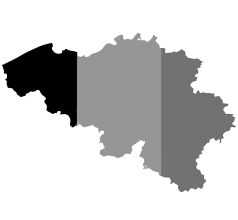
Surrounded to the north by the Netherlands, to the east by Germany and the Grand Duchy of Luxembourg and to the south and west by France, Belgium also has a maritime border with the North Sea. The 65 km long coastline, composed of wide beaches of fine sand and a narrow cordon of dunes attract more and more tourists every year.
The country is divided into three distinct geographical areas: lower Belgium (less than 100 m altitude), average Belgium (from 100 to 200 m) and upper Belgium (from 200 to more than 500 m). Jacques Brel's Flat Country thus benefits from some reliefs with plains, hills and plateaus.
It consists of ten provinces which depend on the regions: Antwerp, Flemish Brabant, West Flanders, East Flanders, Limburg, Walloon Brabant, Hainaut, Liege, Luxembourg and Namur, whereas, with the exception of the rule, the Brussels-Capital Region is not divided into provinces.
Belgium gained its independence in 1830. This event, which was of great importance for the country, upset the codes of the time by dividing the territory into two distinct parts. Indeed, independence led Wallonia (in the south) to separate from Flanders (in the north).
A linguistic, economic then political division, which has created many tensions still present today. These two cultural and linguistic entities cohabit with a German-speaking community, certainly a minority but which you will certainly see during your weekend in Belgium.
Belgium distinguishes itself from its neighbours by its European and cosmopolitan character. As soon as they arrive, visitors are surprised to hear so many foreign languages around them. This is not surprising, however, since the country has no less than four linguistic communities: Dutch-speakers, French-speakers, German-speakers and finally the bilingual !
In Brussels, the number of foreigners or Belgians of foreign origin is estimated at around 50%. This diversity is nevertheless harmonious and allows Belgians to cultivate their particular identities. Each region of Belgium is therefore a remarkable example of the art of living together , of interculturality. A current issue that affects us all and that deserves a detour.
Belgium enjoys a temperate climate which allows it to record mild temperatures rather similar to those of the Paris region. The climate is therefore not the most important factor to plan your stay, which will be pleasant whatever the time of year.
We advise you to favour spring and summer to go there since it is during these periods that Belgian artistic life is in full swing with the organisation of fashion shows and music festivals.
How not to talk about Belgium without talking about its symbol: the famous Manneken Pis, true ambassador of the country in the whole world.
Yet this chubby little boy is very small with his 50cm height! Made of bronze, the statuette, also known as Petit Julien, is located near the Grand Place in Brussels. The child with the funny pose benefits from an impressive wardrobe. Hundreds of his costumes are on display at the King's House, one of the museums in the city of Brussels. Made in 1619 by the great sculptor Jérôme Duquesnoy Sr., the Manneken Pis has inspired many artists throughout the world.
In addition to its linguistic diversity, Belgium can count on a remarkable cultural and architectural heritage. The medieval city of Bruges, and the city of Art Nouveau and Art Deco Brussels are the most vivid examples of this heritage. Flanders enjoys magnificent monuments in Gothic, Art Nouveau, contemporary style...
A country with many facets and origins, Belgium knows no borders and will welcome you with happiness and hospitality in the heart of its exceptional architecture and its many museums.
Art and culture in Belgium
Real events, the processional giants and dragons of Belgium and France and their festivals are registered as masterpieces of the intangible cultural heritage of humanity with UNESCO. Rites from the North of France and Belgium inherited from medieval times, the celebrations of the giants give place to multiple carnivals, sales and other demonstrations by putting in scene characters resulting from the oral tradition of legends and facts of arms. The giants of processions and parades take on different appearances depending on the region. Moreover each giant has its own history which allows it to represent the inhabitants of the place where it lives.
What to visit in Belgium
Several Belgian cities seem to be essential destinations to be able to grasp all the complexity and Belgian identity. First of all the capital, Brussels, a cosmopolitan city and a city of history. The European capital is festive, lively but also cultural with its museums (including the recent Magritte Museum), its Grand'Place, its Jeu-de-Balle chips...
In the North of Belgium is Antwerp, port city and diamond capital. In the 16th century, the Flemish city was one of the main European cultural centres. Around you will be beautiful churches, museums with fascinating collections and many avant-garde fashion boutiques.
Gastronomic specialities in Belgium
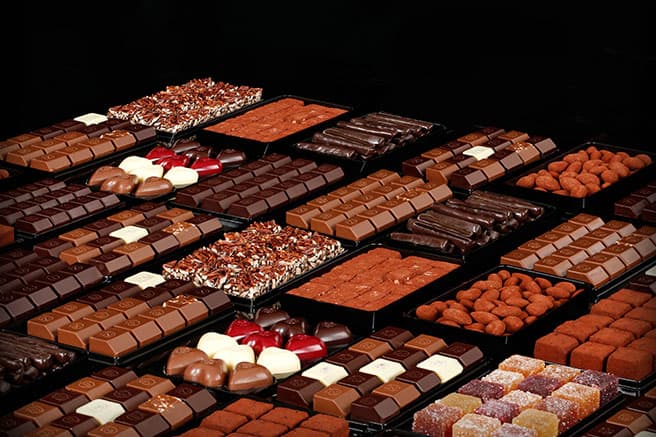
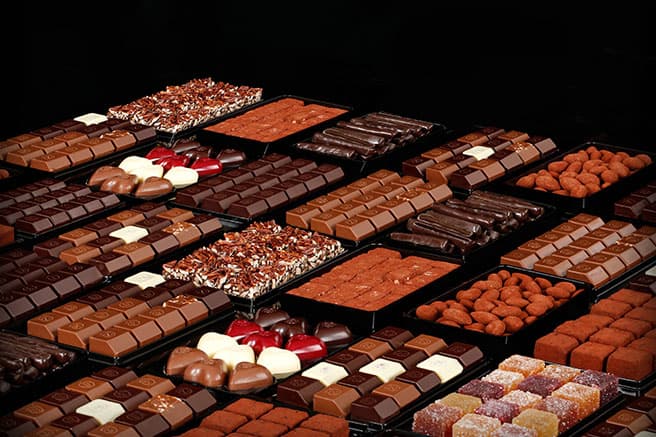
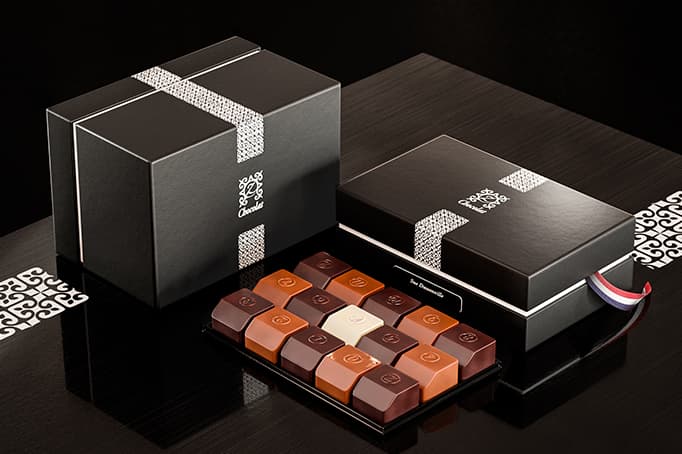
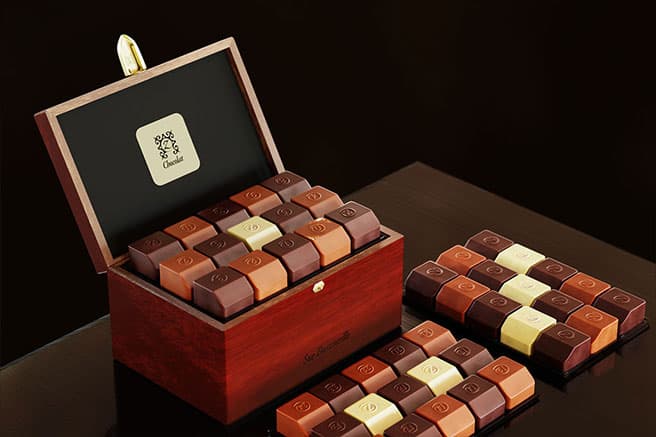
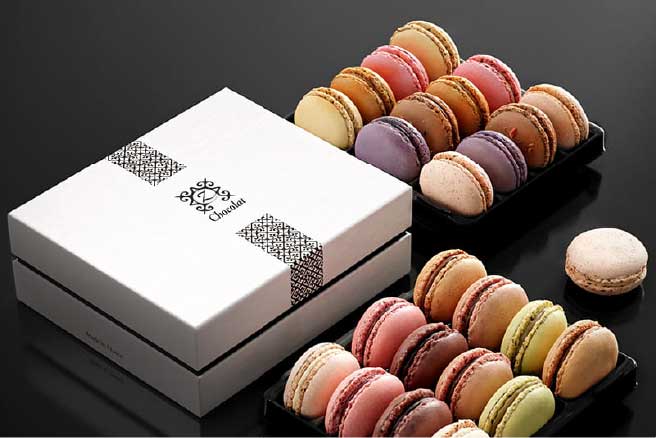
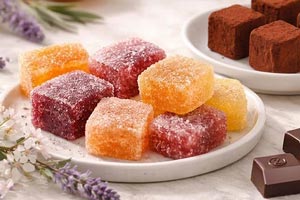
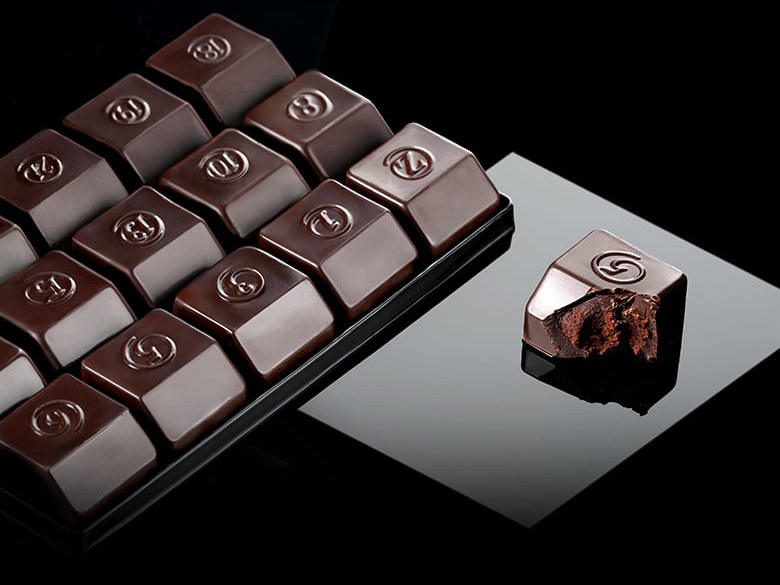
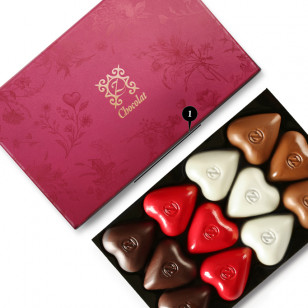
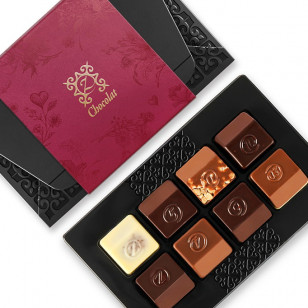
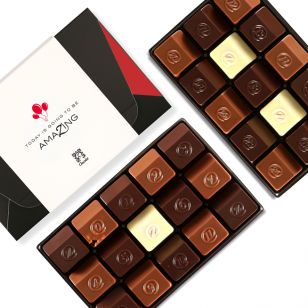
Of course Belgium would be without its famous mussels and waffles! Yet Belgian cuisine has many other specialities such as speculoos, Brussels sprouts or foie gras. Dishes that usually go well with some of the best special Belgian beers in the world. Each region can count on its own specialities such as Bruges chocolates, Antwerp fillet (smoked horse ham) or Flemish asparagus (with hard-boiled eggs and melted butter). The country also has a great cheese culture with its famous maroilles, its Trappist cheese of Chimay or the abbey of Orval, Beauvoorde...