International delivery · Algeria
Chocolate Gift Delivery to Algeria
From our workshop in Provence to your recipient in Algeria.
Choose a giftzChocolat ships Pascal Caffet's French chocolates from Provence to any address in Algeria by FedEx Express. Estimated transit: 5 business days after dispatch. Shipping is €20.00 per address + €4.50 per item; customs duties and local taxes may apply upon delivery.
Updated 16 October 2026 · over 300 deliveries to Algeria since 2000
Ready to ship to Algeria
Gifts for Algeria
x2we double the amount of chocolates in the marked gifts.
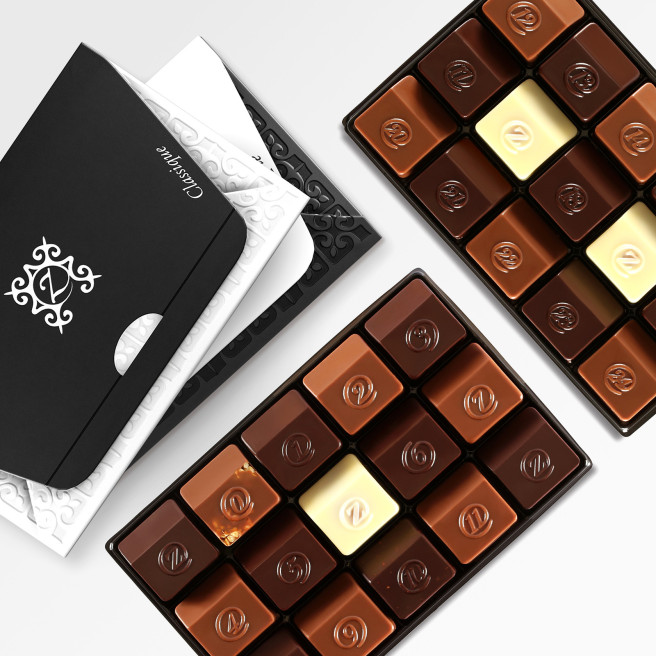
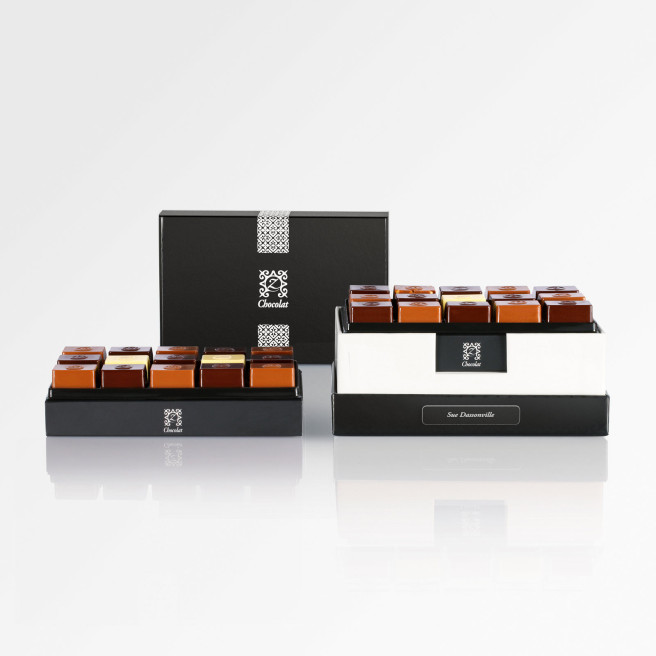
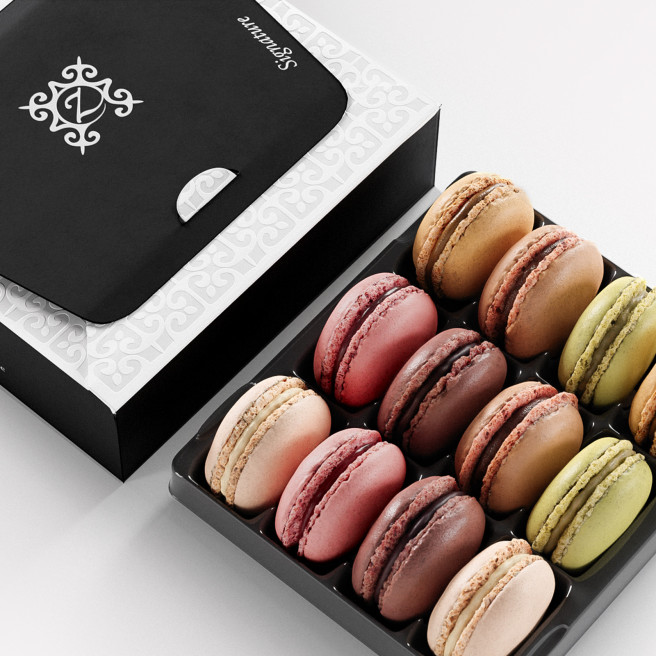
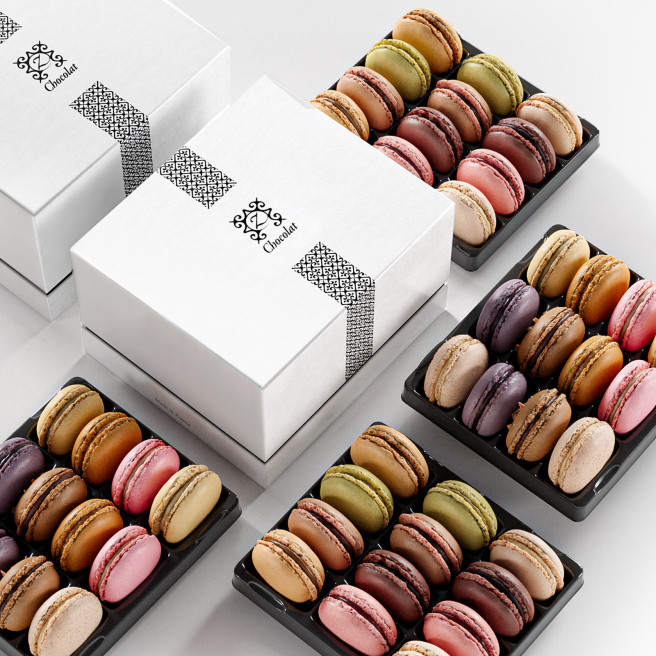
Delivery to Algeria at a glance
Everything you need to know
* Paris time, Monday to Friday. No deliveries on weekends or local public holidays.
What it costs, delivered
One price, nothing to pay on arrival.
Delivery to Algeria is a flat €20.00 per address, plus €4.50 per item, fuel surcharge included.
Sending to several people? The €20.00 applies once per address; each gift then adds €4.50.
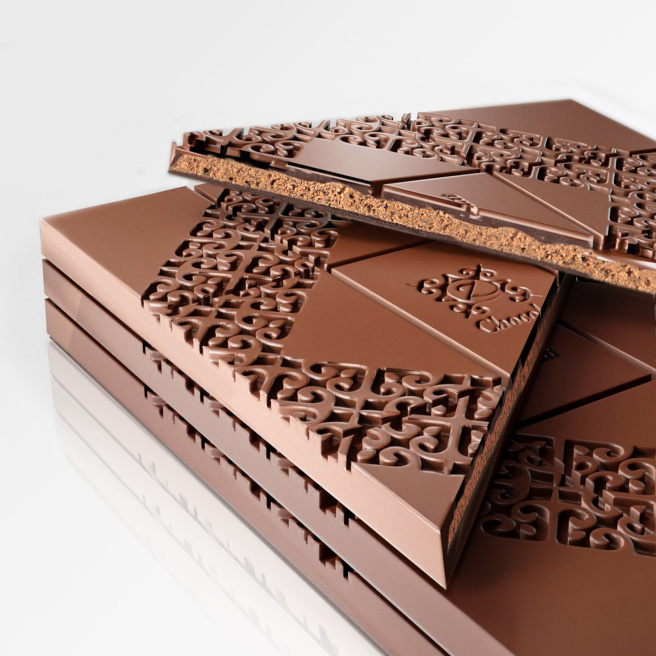
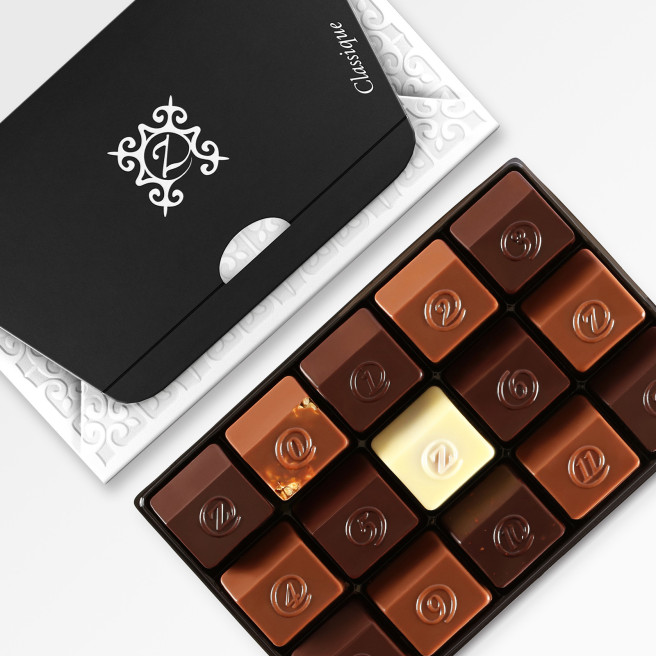
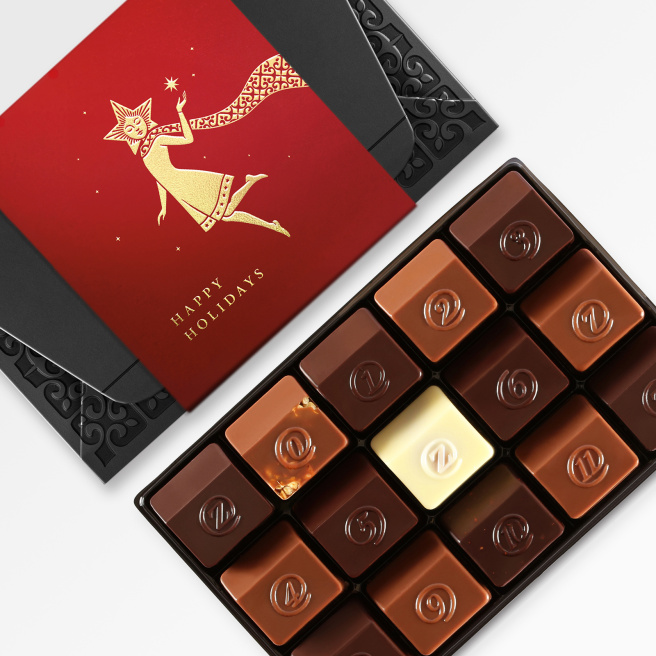
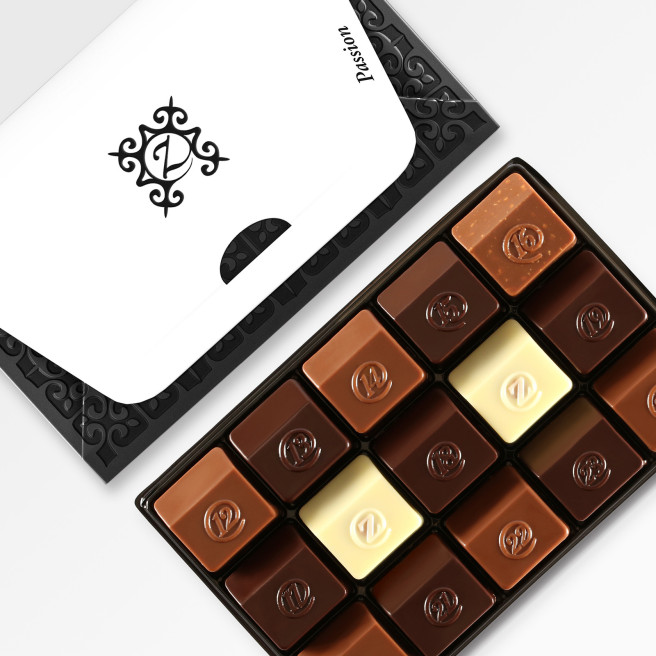
Example for one gift box to one address in Algeria. The final price, including any applicable taxes, is confirmed at checkout.
Hot weather
Kept cool on the way.
Whenever the weather requires it, your gift travels in insulated packaging with cooling packs, at no extra cost.
How we shipPersonalization, with style
A gift, to the letter.
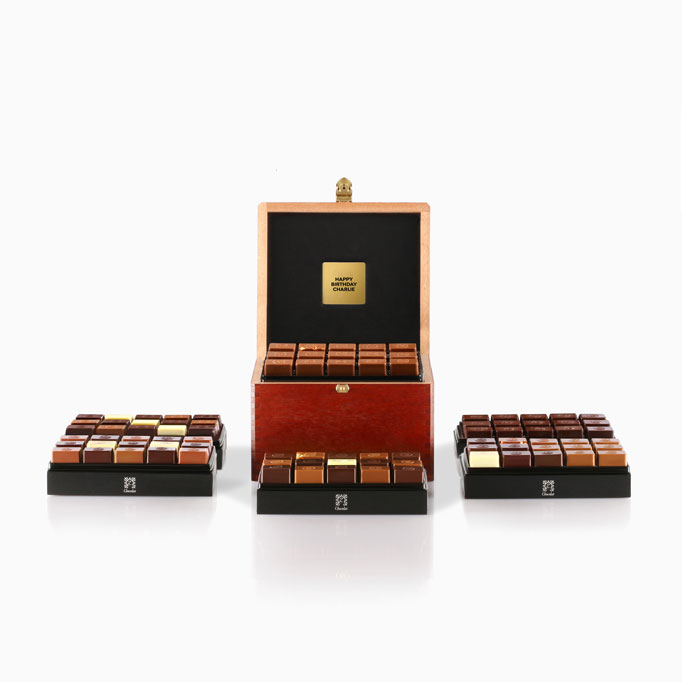
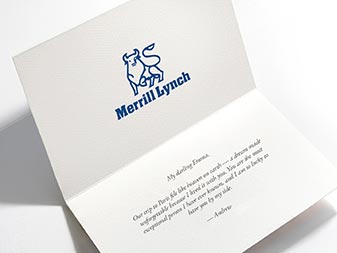
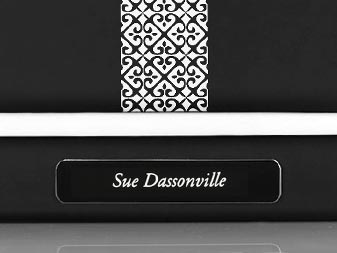
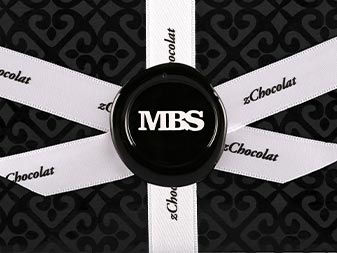
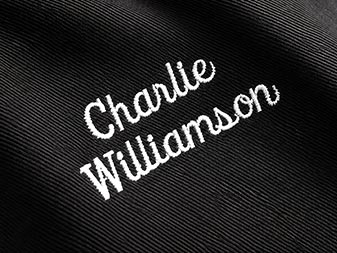
Add a message for your recipient, engrave a name on a wooden box, seal it with their initials.
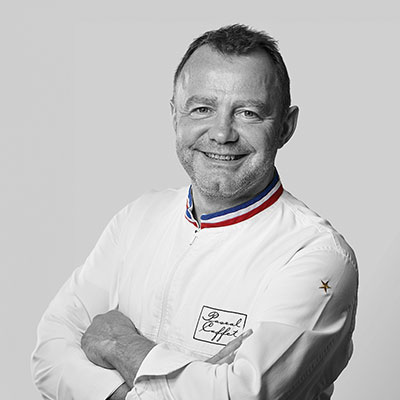
Pascal Caffet
World Champion Chocolatier
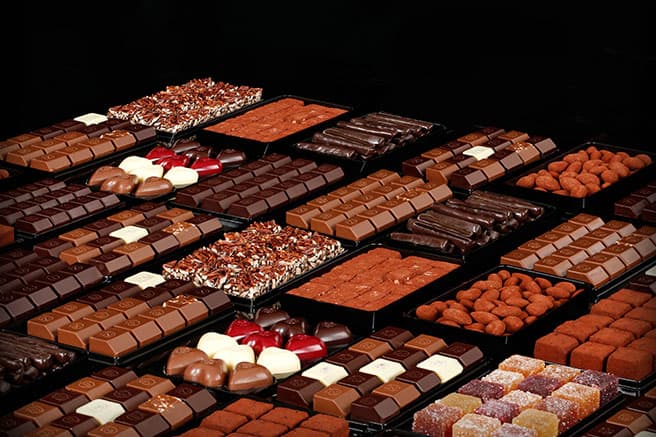
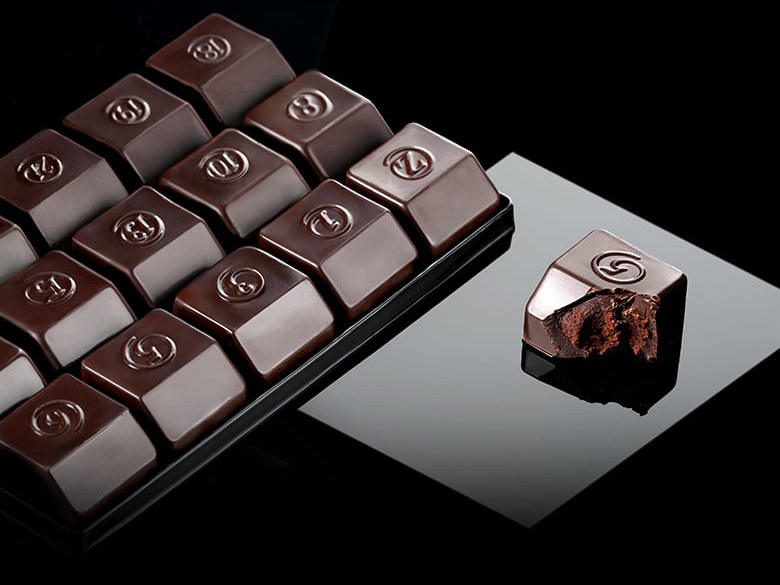
Z chocolates are made by Pascal Caffet, Meilleur Ouvrier de France and World Champion Chocolatier, in the French tradition.
0 preservatives, 0 coloring, 0 alcohol, 0 palm oil, 0 GMO & 0 artificial flavors.
Questions
Sending chocolate to Algeria
How long does chocolate delivery to Algeria take?
FedEx Express transit to Algeria is estimated at 5 business days after dispatch. Orders placed before 2 PM Paris time on a weekday are dispatched the same day; there are no deliveries on weekends or local public holidays. Next public holiday: 1 November 2026 (Revolution Day).
How much does it cost to ship chocolate to Algeria?
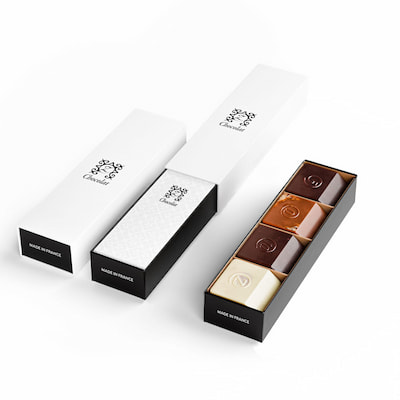
€20.00 per delivery address plus €4.50 per item, fuel surcharge included. For example, the Milk Praliné Trio box (€53.99) costs €78.49 delivered; the final price is confirmed at checkout.
Will the recipient pay customs duties in Algeria?
Possibly: customs duties and local taxes may apply upon delivery.
Do you deliver to every city in Algeria?
Yes, at the same shipping price. Delivery to some remote addresses, such as smaller islands, can take longer.
Will the chocolates melt in hot weather?
Whenever the weather requires it, the gift travels in insulated packaging with cooling packs, at no extra cost.
Can I add a message or a name on the box?
Yes. You can add a message card, and many boxes can be personalized with an engraving, an image or a medallion.
Cities
We deliver to every city in Algeria
Algiers · Annaba · Batna · Béchar · Béjaïa · Biskra · Blida · Constantine · Djelfa · El Oued · Mostaganem · Oran · Ouargla · Sétif · Sidi Bel Abbès · Skikda · Tébessa · Tiaret · Tlemcen
Discover Algeria
Less known than other ancient Roman sites, the Roman buildings visible today in Algeria are however just as interesting and much less frequented by tourists, which will allow you to enjoy them peacefully, without being rushed by the influx of visitors leaving crowded coaches. Nature is sumptuous, from the green plains of Tell, the shores of the Mediterranean and the Sahara desert, the high plateaus of the Atlas or the Hoggar massif. In addition, Algeria has several UNESCO World Heritage sites: the Kalaa (fortress) of Beni Hammad, the prehistoric paintings of Tassili n'Ajjer, the Roman remains at Timgad, Djemila and Tipasa, the M'Zab Valley with its five fortified villages and finally the Kasbah of Algiers. Avoid the summer months: it is very hot there, unless you stay by the Mediterranean Sea. November and March are the best months to visit the interior of the country, as at these times the temperature differences between night and day are the least violent. While enjoying a beautiful Mediterranean shore, this country has stayed away from mass tourism and has preserved its coasts from buildings and concrete. It is full of vestiges from prehistory to the Ottoman kingdom, including the Roman period. There are still populations living in the traditional earthen dwellings organized in fortified hamlets sheltered from minarets, as if nothing had changed for thousands of years. Despite a large desert area, Algeria does not lack forests and natural parks. Of the ten Algerian parks, the majority are on or near the Mediterranean coast (El Kalah, Gouraya and Taza). The Chréa park, 70 kilometres south of Algiers is populated by cedars and its peaks peak at an altitude of 1700 metres. In other words, Algeria is an ideal destination for expedition and adventure lovers or desert enthusiasts since 80% of its surface is occupied by arid zones. They are spoilt for choice between rocks, cliffs, sand dunes or high plateaus. Expeditions across the desert leave from Tamanrasset. It is an authentic country, whose tourism is still little developed, which can also complicate the movements as soon as you will seek to leave the coast and the beaten tracks, lack of road infrastructures, hotels, tourist offices, guides or adapted means of transport. The hospitality and warm welcome of Algerians are legendary, especially in rural areas. Sea, valleys or mountains (up to 3000 meters for Mount Tahat located in the Hoggar), lakes and sand dunes, cedar or palm forests, wadis and oases, the variety of landscapes is one of the riches of this vast country. As rich in historical monuments and beautiful as Morocco but less touristic, Algeria is deserved. It is necessary to persevere to discover certain badly indicated places but the effort is worth it.
Art and culture in Algeria
Between the visits of prehistoric sites and their rock paintings, the Roman vestiges, the medieval cities, the architecture of Eastern or colonial influence, you are not likely to be bored during your holidays in Algeria! Light influenced Western painters in the 19th century (Orientalists) and up to Paul Klee. Algiers has several museums, notably the Bardo or the Fine Arts. Let yourself be enchanted by traditional music, especially Chaâbi which combines the classical Arab-Andalusian style with Western sounds or Raï. Several festivals animate the month of July: Pan-African festival of Algiers or Oran. The reopening of the Timgad Music Festival is also planned, thanks to the construction of a new hall to avoid the risk of damaging the Roman arenas.
What to visit in Algeria
First of all, you should visit the Roman city of Timgad, which is located in the north-east of Algeria. For a long time buried under the sand of the desert, it has been preserved from the wear and tear of time, which makes it possible to visit a site with houses and walls at man's height as well as a complex composed, among others, of a theatre, a library, a forum and baths. Near Constantine is another Roman site: Djemila, while Tipasa is located on the coast, 70 km from Algiers. The capital is home to another remarkable site; the Kasbah and its sloping streets, immortalized by the film Pépé le Moko. Take the opportunity to admire the great mosque of Algiers and walk the popular district of Bab El-Oued.
Gastronomic specialities in Algeria
Halfway between Lebanese and Moroccan specialities, Algerian cuisine deserves to be known. To start your stay in a hotel in Algeria, enjoy soups (Chorba), made of mutton meat, vegetables, herbs, spices and cooked over a low heat. Taste also Bourek, puff pastry with poultry. Here, the mechoui and couscous with its merguez are part of the festive dishes. The pastries are delicious, made with almonds, filled with honey and scented with orange blossom (Baklava). The dishes are available in very different ways in each of its regions. Thus, the traditional Kabyle and Berber cuisine is made from wheat or barley, milk meat and vegetables. While in Oran, the flavours are closer to other Mediterranean cuisines.