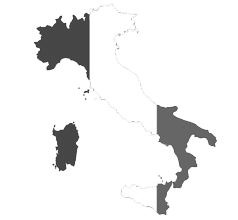
Turin (Torino in Italian, Turin in Piedmontese) is an Italian city, capital of the metropolitan city of Turin and the region of Piedmont. Turin was the capital of the Savoy States from 1563 to 1713, the Kingdom of Sicily from 1713 to 1720, the Kingdom of Sardinia from 1720 to 1861 and the Kingdom of Italy from 1861 to 1865. Turin was the first capital of modern Italy. Although it is not as famous as Rome or Florence, it is also a cultural centre. The city is crossed by the Po River and the Doire Baltea and is bordered by the Italian Alps. Turin is an important city for technology and industry. It is the seat of FIAT (Fabbrica Italiana Automobile Torino). The city hosted the 2006 Olympic Winter Games.
Things to do in Turin:
- The Reale Polo is the ancient Royal Palace of Turin and several museums more impressive than others. It is the monumental heart of the capital of Piedmont.
- The banks of the Po River offer a green stroll below the gentle wooded hills of the south of the city. A country atmosphere with a mix of herons, fishermen and joggers.
- Look for a view of the city and the Alps in the background: Mont des Capucins, Superga basilica, beacon of victory. There is no shortage of places if the view is clear.
The religious buildings, such as the Basilica of Superga, the Great Madre (Church of the Great Mother of God), the Dome, the Consolata, the Crocetta, tell the history of the city of Turin and represent the best testimonies of the great architects who passed through it, among which we quote Filippo Juvara and Guarino Guarini.
The Dome preserves the Shroud of Turin, which is located more precisely in the Dome of Guarini, which caught fire in 1997 and is now fully restored.Thanks to the inheritance of the Royal House heritage, Turin preserves rare and precious treasures: weapons, jewellery, decorations. In the Royal Library, for example, the blood portrait of Leonardo da Vinci, one of the world's most famous portraits, is kept. The famous "Collegio dei Nobili" (College of the Nobles) has become the seat of the Egyptian Antiquities Museum, with a collection that boasts more than 5000 archaeological pieces. It is the second largest collection after Cairo.
The Galerie d' Art Moderne and the Château de Rivoli are certainly a must. The Mole Antonelliana (The Mole Antonelli) symbol of Turin, houses the Museum of Cinema: an installation that perfectly expresses the combination of tradition and progress. Turin is also known as the city of cinema and cinemas. The metropolis that saw the birth of the moving image - starting with Giovanni Pastrone's "Cabiria" of 1914, with texts by D' Annunzio - is today one of the Italian cities with the largest number of cinematographic theatres in relation to the number of inhabitants. Without forgetting the theatrical panorama, which manages to satisfy audiences with different tastes.
La Môle has seen a proliferation of structures, productions and companies, which occupy cultural giants such as the Stabile Theatre and the Regio Theatre, dedicated to opera, music and dance.
Turin Neighbourhoods
The Old City in its homogeneity offers several faces. In its oldest part, the Quadrilatero gathers along its narrow streets: antique dealers, nice bars and restaurants. A little further north, the more popular neighbourhood with immigrants who have recently (or not) arrived. Along the Po and under the hills, the beautiful neighborhoods alternate with quiet residential corners or places to go out on the side of San Salvario.
Monuments and museums
Turin is a royal city with its sumptuous castle, baroque churches, balanced squares and morgue-filled equestrian statues. Order reigns. A few industrial revolutions later, rehabilitated factories were added to the picture. The Egyptian art museum and the film museum are the most famous. The most impressive Polo Reale weapon gallery. The museum of contemporary art is worth a visit. An Asian art museum further on, a mountain museum higher up, exhibitions in palaces and you will understand that Turin is considered in Italy as a city of museums.
Eating, drinking and dancing in Turin
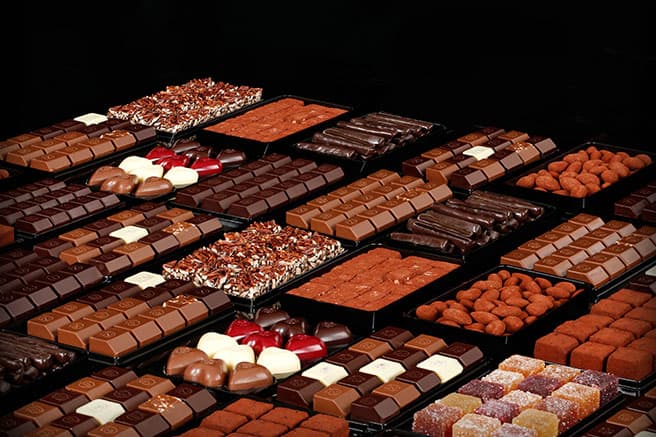
Turin is the city of Aperitivo, so much to say the happiness of those who eat well and a lot (buffet mode at will). It is also a city of pleasant terraces, charming restaurants and tasty specialities (bicerin, breadcrumbs, agnolotti, bagna caoda... A few clubs and concert halls add spice to it all.
Moving in Turin:
Turin is home to 900,000 inhabitants over 130 square kilometres, with 2.3 million in the metropolis. By proposing to host the Olympic Winter Games in 2006, Turin was to modernise its public transport system. It is done today, with a high-performance network composed of a metro, 10 tramways, buses and trains.