






Chocolate Gift Delivery in abu dhabi
97% of packages delivered on time

GUARANTEED EXPRESS DELIVERY TO ABU DHABI WITHIN 2 BUSINESS DAYS

Shipping Rates & Timing in Abu Dhabi
We deliver within 2 business days. The shipping cost is a flat fee of 23.12 USD per delivery address anywhere in the world + 1.73 USD /item. If your order is received before 2PM Central European time, your chocolates ship the same day directly from France to your doorstep.
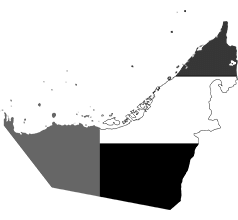
zChocolat has already successfully delivered 53,906 chocolate gifts to the United Arab Emirates.
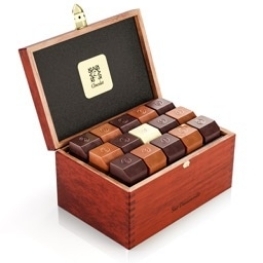
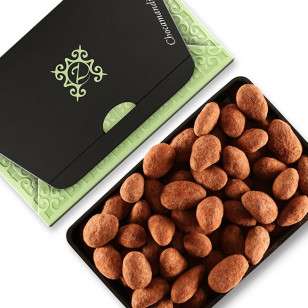
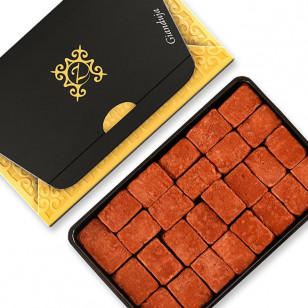
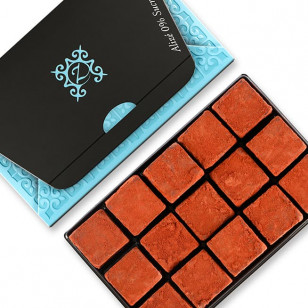
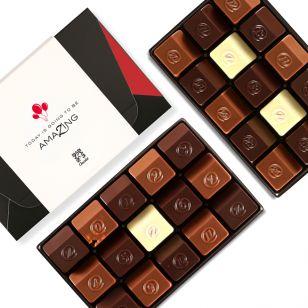
A selection of chocolate gifts ready for delivery in Abu Dhabi:
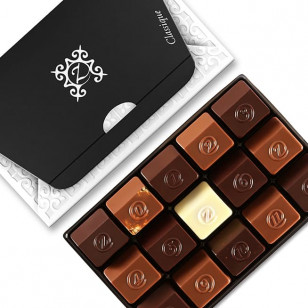
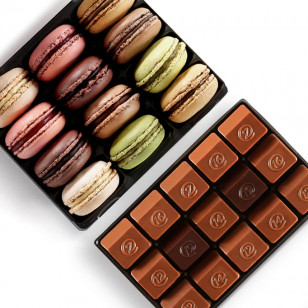
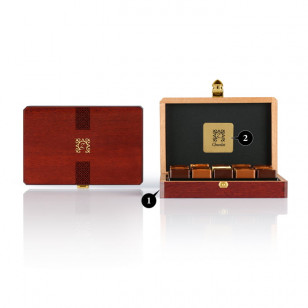
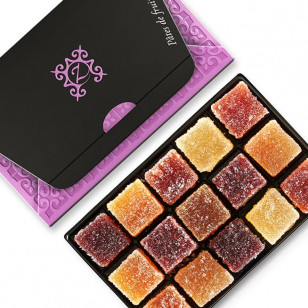
An Ultra-luxurious City
Located on a T-shaped island in the Persian Gulf, the capital of the UAE is renowned as one of the world’s most luxurious cities. With futuristic architecture, elegant gardens, and first-class shopping, Abu Dhabi offers numerous intriguing distractions for both its 1.5 million residents and countless others who visit the city each year. And among the many upscale products and high quality imports that have caught the eye of discerning locals, European chocolate is rapidly becoming a favorite. zChocolat’s line of signature chocolates, developed by Master Chocolatier Pascal Caffet, has earned a steady following in Abu Dhabi due to its exceptional flavors and all natural ingredients. Committed to using only pure, never-blended, cocoa butters from verified single-origin cocoa beans, every zChocolat creation embodies the very best of fine French chocolate. Mixed with other carefully selected ingredients, such as plump Valencia almonds, rich Piedmont hazelnuts, and genuine Sri Lanken coconut, the resulting assortments are the perfect way to celebrate any special occasion. Whether it’s a romantic sunset cruise around the islands, a milestone birthday spent at Ferrari World, or a major business deal brokered downtown, the sophisticated packaging and innovative recipes make zChocolat an ideal way to make an impression.
Halal Chocolates Perfect for Eid
Islam is the official religion of the United Arab Emirates and is practiced by approximately three-quarters of its residents, including those located in Abu Dhabi. In fact, the country’s most distinguished mosque, the Sheikh Zayed Grand Mosque, is located in the capital city and is a popular place of worship for Friday gatherings and Eid prayers. Constructed relying on precious materials and artisans from around the world, the Grand Mosque is a symbolic attempt to unite the world and is considered one of the city’s major tourist attractions--during Eid it often receives more than 40,000 visitors per day. Similar artistry can be found in zChocolat’s acclaimed Ramadan Collection. With special edition packaging featuring a seasonal greeting in Arabic calligraphy on the box lid, and the world’s best chocolates on the inside, all members of the collection are sure to be appreciated as gifts and welcomed at gatherings large and small. And like all zChocolat creations, chocolates in the Ramadan Collection are halal, being made without alcohol or animal fat. Delivery via FedEx Express provides fast two-day shipping from France straight to your recipient’s doorstep, making it easier than ever to send something special at any time during the city’s holiest month.
Luxury chocolate gifts delivered in Abu Dhabi
Spécialiste du cadeau chic, exclusif et sur-mesure, zChocolat livre tous vos cadeaux à Abu Dhabi du lundi au vendredi par FedEx Express exclusivement, et ce depuis novembre 1999 ! Que vous expédiiez Al Nahyan, Al Lulu Island, Al Mushrif, Al Aman or any of the suburbs, vos cadeaux seront livrés within 2 business days - à temps et en parfaite condition. Votre numéro de suivi vous est adressé par email le jour de l'expédition et la confirmation de livraison vous est envoyée dans les 3 heures qui suivent la livraison. Cette confirmation inclut le nom du signataire ainsi que l'heure locale de livraison à Abu Dhabi, the United Arab Emirates.
Refined gifts, exclusive and tailor-made
We have a wide selection of personalized chocolate gifts with the name of your recipient including:
| Birthday collection |
| Romantic collection |
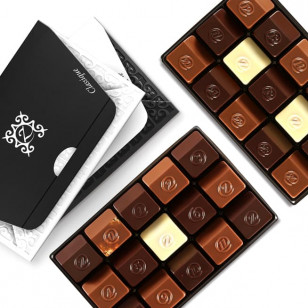
| Assortments collection |
| ZBOX Collection |
| And more. |
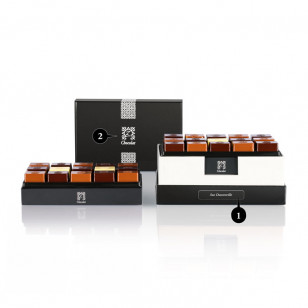
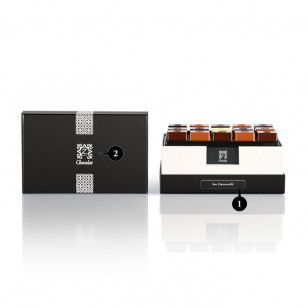
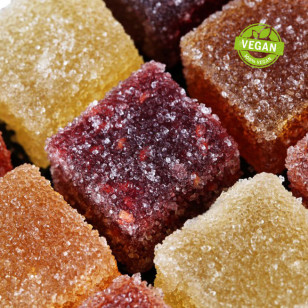
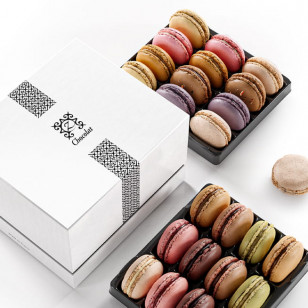
Pascal Caffet
All our chocolates are handmade by our chocolate master Pascal Caffet, World Champion Chocolatier, with zealous adherence to French tradition: no alcohol, no preservatives, no coloring, high cocoa content, low sugar and 100% pure cocoa butter.Summer packaging
Thankfully, unique temperature sensitive packaging and FedEx Express delivery mean connoisseurs of zChocolat’s all-natural, preservative-free confections can enjoy fine French chocolate anywhere in the world. Insulated delivery boxes keep your gift at the perfect temperature while a reflective outer layer provides additional protection from world-famous rays in the United Arab Emirates.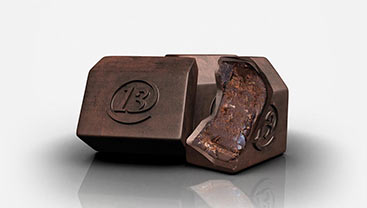
zChocolat in Abu Dhabi
All our Signature Chocolates can be delivered in Abu Dhabi and at any time of the year with our summer packaging depending on the season.
We also deliver chocolate gifts in the following places in the United Arab Emirates : chocolate delivery in Al-Ain - gift delivery in Umm Al-Quwain
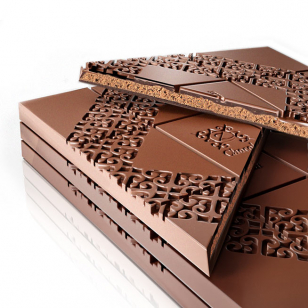
No Alcohol, No Animal Fat
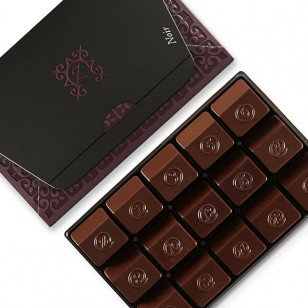
Our French chocolate gifts do not contain any alcohol or animal fat of any sort and therefore abide by local Muslim regulation in the United Arab Emirates.
No zip codes.
When filling out your gift recipient's address, please note that addresses in Abu Dhabi do not require ZIP Codes.