



Chocolate Gift Delivery in sydney
97% of packages delivered on time

GUARANTEED EXPRESS DELIVERY TO SYDNEY WITHIN 3 BUSINESS DAYS
Shipping Rates & Timing in Sydney
We deliver within 3 business days. The shipping cost is a flat fee of 23.35 USD per delivery address anywhere in the world + 1.75 USD /item. If your order is received before 2PM Central European time, your chocolates ship the same day directly from France to your doorstep.

zChocolat has already successfully delivered 150,355 chocolate gifts to Australia.
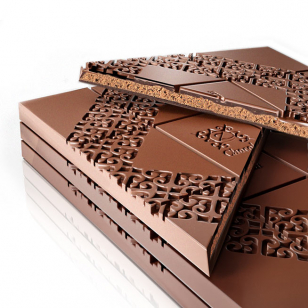
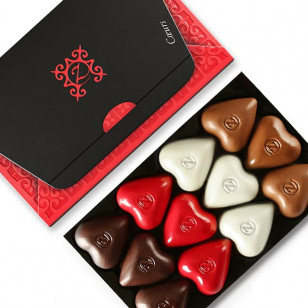
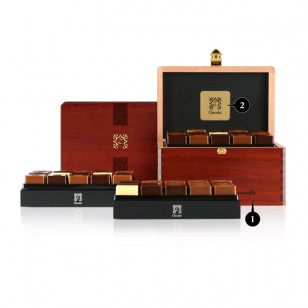
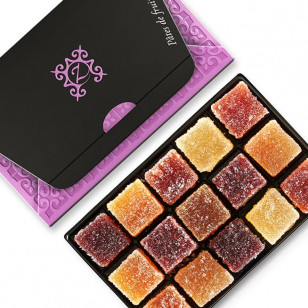
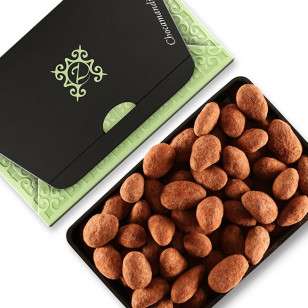
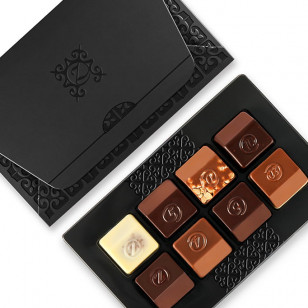
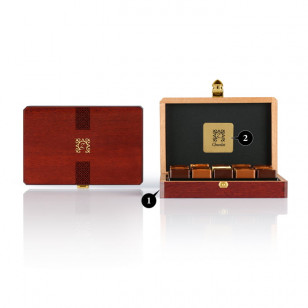
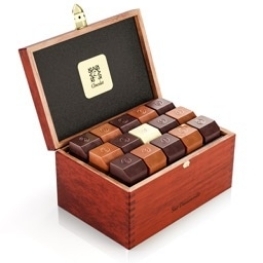
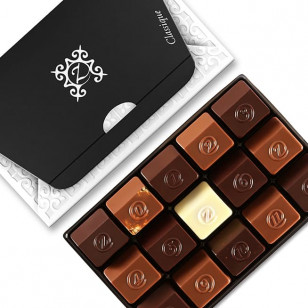
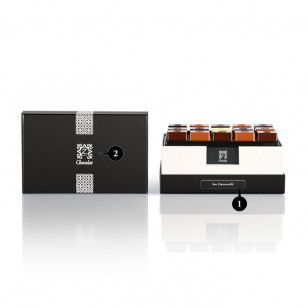
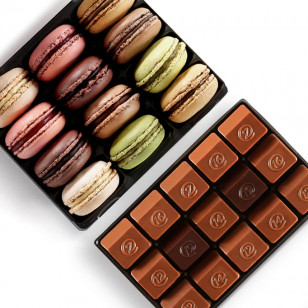
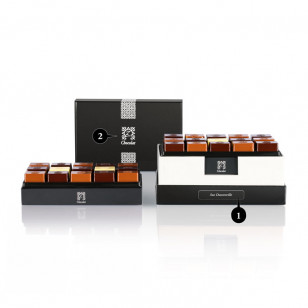
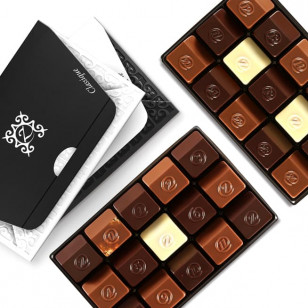
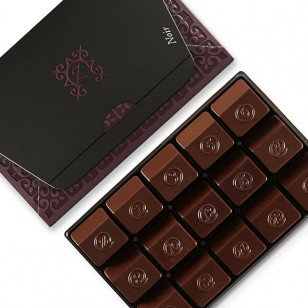
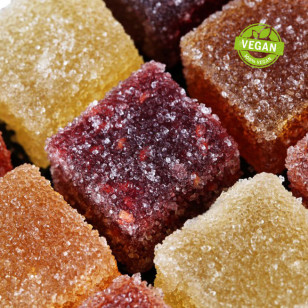
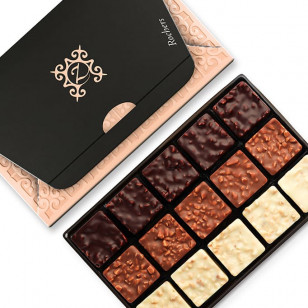
A selection of chocolate gifts ready for delivery in Sydney:
Focus on Freshness
Stunning landmarks like the iconic Sydney Opera House, elegant Sydney Harbour Bridge, and freestanding Sydney Tower make Australia’s most populated city one of the most readily identifiable locations in the world. In fact, over 7 million tourists travel to Sydney each year to take advantage of these sites, as well as to enjoy natural wonders like beautiful beaches along world’s largest natural harbour and the unparalleled Great Barrier Reef. These tourists are joined by more than 50,000 international students who have chosen to take advantage of the city’s renowned schools. Added to Sydney’s 5 million regular residents, the result is a vibrant population that consistently leads the rest of Australia in terms of fashion and style. And one of the most popular recent trends is a fondness for all things fresh. Health conscious in general, Sydneysiders are seeking out ways to make even their indulgences more nutritious. When it comes to chocolate, that includes a focus on premium brands that tend to use higher cocoa concentrations and are more likely to incorporate ingredients like fruit and nuts. Available in Australia since 1999, zChocolat is a favorite among fastidious Aussies because every zChocolat creation relies exclusively on pure, never-blended cocoa butters derived from carefully selected single origin cocoa beans. They also use only all-natural ingredients, like plump Valencia almonds and flavorful Piedmont hazelnuts, and avoid the use of preservatives, animal fats, alcohols, and other additives that tend to diminish both the flavor and health benefits characteristic of high quality chocolates.
Gourmet Gifts for the Harbour City
Because Christmas comes at the peak of summer for Sydneysiders, local celebrations tend to take northern traditions and give them a special Australian twist. While warm weather makes hot roasts on Christmas Eve rare, trips to the beach or to campgrounds are common. And although children still eagerly wait for Santa’s annual visit, he’s as likely to arrive on a boat as a sled. Despite the differences, like most other cities that celebrate Christmas, Sydney’s holiday shopping season is one of its busiest as consumers rush to find gifts for friends and family. zChocolat’s special Christmas Collection includes a variety of products that can be easily adapted for everything from stocking stuffers and party favors to unforgettable memory makers and large-gathering favorites. Similar collections for romantic occasions, weddings, and birthdays bring together the most requested recipes from Master Chocolatier Pascal Caffet with innovative packaging and stylish details. Of course, when the occasion calls for something extra special, zChocolat’s extensive ability to customize boxes with photos and logos, as well personalized name plates and individualized wax seals, mean that your recipient’s perfect present is literally only three business days from their doorstep.
Luxury chocolate gifts delivered in Sydney
Spécialiste du cadeau chic, exclusif et sur-mesure, zChocolat livre tous vos cadeaux à Sydney du lundi au vendredi par FedEx Express exclusivement, et ce depuis novembre 1999 ! Que vous expédiiez downtown Sydney or the suburbs, vos cadeaux seront livrés within 3 business days - à temps et en parfaite condition. Votre numéro de suivi vous est adressé par email le jour de l'expédition et la confirmation de livraison vous est envoyée dans les 3 heures qui suivent la livraison. Cette confirmation inclut le nom du signataire ainsi que l'heure locale de livraison à Sydney, Australia.
Refined gifts, exclusive and tailor-made
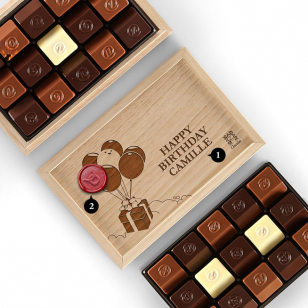
We have a wide selection of personalized chocolate gifts with the name of your recipient including:
| Birthday collection |
| Romantic collection |
| Assortments collection |
| ZBOX Collection |
| And more. |
Pascal Caffet
All our chocolates are handmade by our chocolate master Pascal Caffet, World Champion Chocolatier, with zealous adherence to French tradition: no alcohol, no preservatives, no coloring, high cocoa content, low sugar and 100% pure cocoa butter.Summer packaging
Thankfully, unique temperature sensitive packaging and FedEx Express delivery mean connoisseurs of zChocolat’s all-natural, preservative-free confections can enjoy fine French chocolate anywhere in the world. Insulated delivery boxes keep your gift at the perfect temperature while a reflective outer layer provides additional protection from world-famous rays in Australia.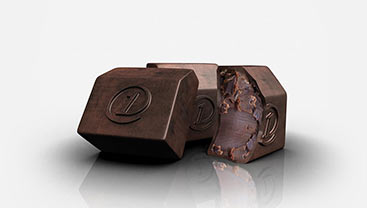
zChocolat in Sydney
All our Signature Chocolates can be delivered in Sydney and at any time of the year with our summer packaging depending on the season.
We also deliver chocolate gifts in the following places in Australia : chocolate delivery in Adelaide - gift delivery in Bendigo